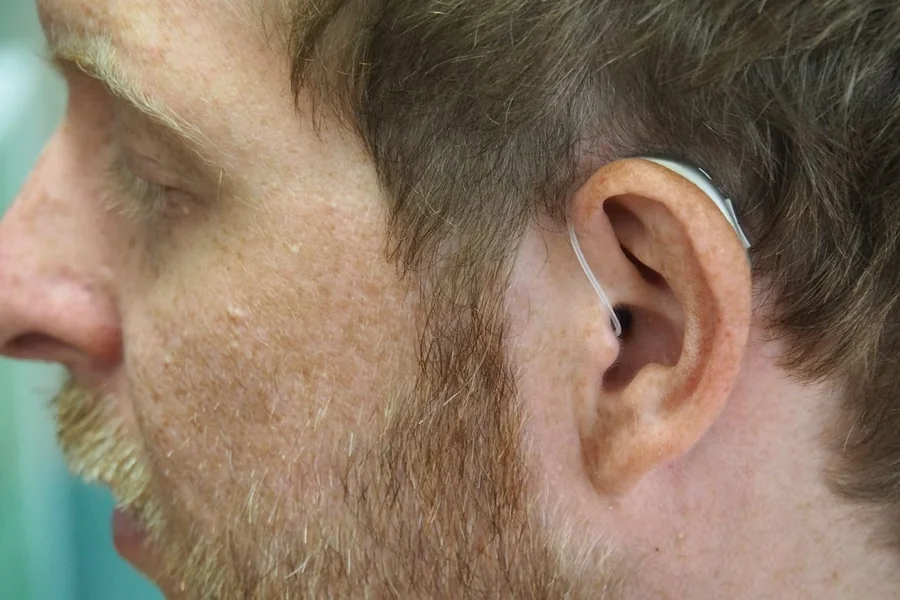
Hearing loss is a major global health concern that affects millions of people. According to current estimates, approximately 466 million individuals worldwide experience disabling hearing loss, which can significantly impair communication, social interactions, and overall quality of life. Beyond the challenges in everyday communication, hearing loss can contribute to social isolation, mental health issues, and economic difficulties. With the prevalence of hearing impairment increasing due to aging populations, prolonged exposure to loud environments, and other risk factors, raising public awareness and providing effective interventions has become increasingly important. Cochlear implants in Singapore represent a life-changing solution for those with severe to profound hearing loss, offering a way to reconnect with the world of sound.
Unlike traditional hearing aids, which amplify sound, cochlear implants bypass damaged portions of the ear and directly stimulate the auditory nerve. These devices convert sound waves into electrical signals that the brain interprets as sound, allowing users to perceive speech and environmental noises more clearly. By improving communication, cochlear implants enhance social interaction, independence, and overall well-being, providing users with opportunities to participate more fully in their personal, educational, and professional lives.
Eligibility for Cochlear Implants
Eligibility for cochlear implants is determined differently for adults and children, reflecting variations in medical, developmental, and social factors.
For adults, eligibility is based on several criteria, including the severity of hearing loss, the effectiveness of conventional hearing aids, and overall health. Adults must be capable of understanding the procedure, participating in post-operative rehabilitation, and making informed medical decisions. Factors such as age, cognitive function, and social or economic circumstances may also play a role in evaluating readiness for implantation. Clinicians often perform a comprehensive review of medical history and auditory performance to ensure candidates are suitable for the procedure and prepared for the lifestyle changes it may entail.
For children, eligibility involves a detailed assessment of age, medical necessity, and developmental readiness. Pediatric candidates are evaluated for auditory milestones, speech and language development, and any underlying medical conditions that could affect outcomes. Family support, socio-economic factors, and evaluations from healthcare professionals, including audiologists and speech-language therapists, are also considered. These assessments help ensure that children who receive cochlear implants are positioned to benefit fully from the device while receiving the necessary support at home and school.
Audiological testing is essential for both adults and children. These tests evaluate hearing thresholds, speech perception, and auditory nerve function, providing objective data to determine suitability for implantation. Standardized assessments ensure that the selection process is fair, transparent, and aligned with best practices in medical care.
The Cochlear Implant Process
The journey toward receiving a cochlear implant begins with a thorough pre-implant evaluation. This includes a detailed review of medical history, physical examinations, and diagnostic tests such as imaging and audiological assessments. The goal is to identify any conditions that may influence surgical outcomes, optimize patient safety, and develop a tailored treatment plan.
The surgical procedure involves precise, minimally invasive techniques. Patients are placed under general anesthesia, and surgeons make a small incision to access the cochlea. The implant is carefully positioned to stimulate the auditory nerve effectively. After the procedure, the incision is closed, and the patient enters the recovery phase under close medical supervision.
Post-operative care and programming are critical for the success of cochlear implants. Patients are monitored for complications, receive pain management, and follow individualized rehabilitation plans. Programming the implant involves adjusting the electrical signals to match the user’s hearing needs, which often requires multiple sessions with an audiologist. Rehabilitation also includes auditory training and speech therapy, enabling patients to interpret sounds accurately and improve speech perception. Regular follow-ups ensure that the device continues to function optimally and that patients adapt successfully to hearing with the implant.

Benefits of Cochlear Implants
Cochlear implants offer significant improvements in communication, social participation, and overall quality of life. Users often experience enhanced speech understanding, clarity, and confidence, enabling them to engage more effectively in conversations and social settings. Improvements in articulation and pronunciation support more effective verbal communication, which can positively impact educational and professional opportunities.
Beyond communication, cochlear implants contribute to emotional well-being, social inclusion, and independence. Restored hearing allows individuals to participate in family life, community activities, and workplace environments more fully. Many recipients report increased self-confidence and a stronger sense of connection to their surroundings. The ability to enjoy sounds from music to everyday environmental noises enhances life satisfaction and fosters greater engagement with hobbies and interests.
Cochlear implants also have broader societal benefits. By improving communication abilities, recipients can participate more actively in education, work, and social interactions, reducing barriers caused by hearing loss. Early intervention in children supports language development, academic achievement, and social skills, while adults benefit from renewed opportunities for professional and personal growth.
Conclusion
Cochlear implants provide a transformative solution for individuals with severe to profound hearing loss. They restore access to sound, enhance communication, and improve overall quality of life. Individuals considering cochlear implants are encouraged to seek guidance from medical professionals, who can provide detailed information about eligibility, risks, benefits, and post-operative care. Engaging with healthcare providers ensures informed decision-making and promotes optimal outcomes. With appropriate evaluation, surgery, and rehabilitation, cochlear implants offer life-changing opportunities for those affected by hearing loss, enabling them to reconnect with the world of sound and fully engage in daily life.