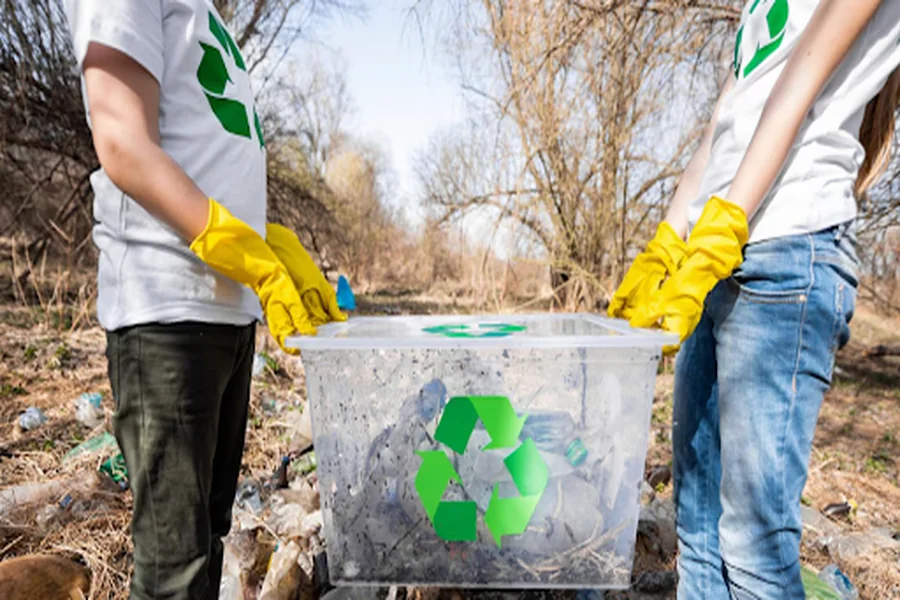
Effective waste management is a cornerstone of modern urban living, safeguarding public health, conserving resources, and promoting environmental sustainability. As cities expand and populations grow, the volume of waste produced continues to rise, necessitating sophisticated systems for collection, recycling, treatment, and disposal. Efficient waste management services not only prevent pollution but also transform discarded materials into valuable resources, encouraging sustainable practices and fostering a healthier planet.
The Importance of Waste Management Services
Proper waste management protects public health by mitigating the spread of diseases and controlling pest populations. It also preserves environmental integrity, preventing pollution of air, water, and soil. Beyond these benefits, effective systems promote resource conservation, as recyclable and compostable materials are recovered and repurposed, reducing the demand for raw materials. Communities benefit from cleaner, safer surroundings, while governments and businesses achieve operational efficiency through structured disposal solutions.
Eco-friendly solutions are central to contemporary waste management strategies. Practices such as recycling, composting, reducing single-use plastics, and adopting responsible disposal methods minimize environmental footprints while cultivating sustainable habits among residents and organizations.
Components of Comprehensive Waste Management
Comprehensive waste management encompasses a wide range of services, including residential and commercial waste collection, hazardous material handling, recycling programs, composting, and landfill management. Advanced technologies are increasingly integrated into operations, from GPS-enabled collection routes and automated sorting systems to waste-to-energy conversion processes. These innovations enhance efficiency, reduce operational costs, and support sustainability objectives.
Professional waste management services also emphasize compliance with regulatory standards, ensuring that operations adhere to environmental legislation and best practices. Proper training of staff, use of modern equipment, and implementation of environmentally responsible procedures are essential for delivering high-quality waste management solutions.
Advancing Towards Eco-Friendly Waste Management
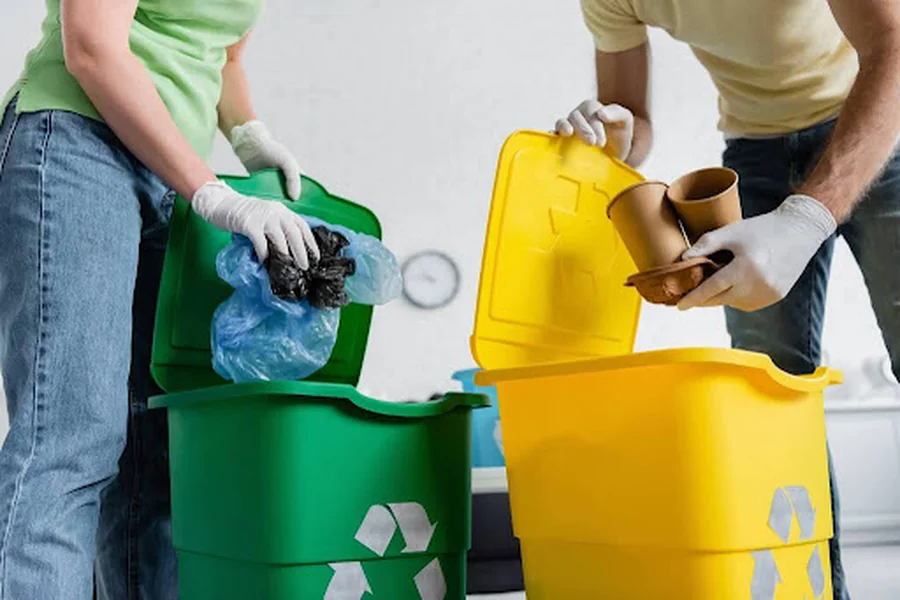
Traditional waste disposal practices, including extensive landfill use and uncontrolled incineration, contribute significantly to pollution and greenhouse gas emissions. In response, the industry is evolving towards environmentally conscious methods. Recycling programs transform paper, plastics, metals, and glass into reusable materials, while composting organic waste returns nutrients to the soil. Waste-to-energy technologies convert refuse into usable electricity, reducing landfill reliance and contributing to renewable energy goals.
Adopting eco-friendly practices delivers multiple benefits. Communities enjoy cleaner surroundings, healthier ecosystems, and reduced carbon emissions. Organizations enhance their corporate social responsibility profiles while complying with environmental regulations. Over time, sustainable waste management fosters awareness and encourages behavioral changes that support long-term ecological balance.
Several case studies highlight the successful implementation of eco-friendly strategies. Cities that prioritize recycling and resource recovery achieve measurable reductions in landfill volumes, lower pollution levels, and increased public engagement in sustainability initiatives. These examples demonstrate that integrating innovative, environmentally responsible practices is both feasible and impactful.
Choosing the Right Waste Management Service
Selecting a professional waste management provider requires careful evaluation of services, reliability, cost-effectiveness, and sustainability practices. Factors to consider include:
- Scope of Services: Ensure the provider covers residential, commercial, and hazardous waste collection, recycling, composting, and waste-to-energy solutions.
- Technology and Efficiency: Evaluate the use of smart tools, automated systems, and route optimization to ensure timely and effective waste collection.
- Environmental Practices: Prioritize companies that implement recycling programs, reduce landfill dependency, and adopt eco-friendly treatment methods.
- Certification and Compliance: Verify licensure, certifications, and adherence to local and international environmental regulations.
- Reputation and Feedback: Review client testimonials, case studies, and industry recognition to ensure credibility and consistent service quality.
For example, BNL Singapore offers waste management services that combine efficiency, compliance, and environmental responsibility. With advanced collection technologies, trained staff, and a focus on sustainable practices, BNL provides tailored solutions for both residential and commercial clients. Their approach ensures effective waste disposal while supporting the broader goal of ecological preservation.
Benefits of Professional Waste Management
Engaging expert waste management services provides numerous advantages. These services reduce the operational burden on households and businesses, enhance public health, support environmental sustainability, and foster community well-being. By recovering recyclable materials and employing responsible disposal methods, professional services contribute to a circular economy that conserves resources and reduces environmental strain.
Furthermore, integrating renewable energy solutions and promoting public awareness about sustainability amplifies the societal impact of these services. Communities benefit from cleaner spaces, while organizations gain recognition for eco-conscious practices that align with global environmental goals.
Overcoming Waste Management Challenges
Challenges in waste management include irregular collection schedules, improper disposal of hazardous materials, and low public participation in recycling programs. Expert service providers mitigate these challenges through structured operations, advanced technologies, staff training, and community engagement. Public education campaigns encourage waste segregation, recycling, and responsible disposal practices, ensuring that sustainable solutions are adopted consistently.
FAQs About Waste Management Services
What are the types of waste management?
Waste management encompasses recycling, composting, incineration, and landfill disposal, each serving a distinct purpose in environmental protection.
What services does waste management provide?
Services include collection, transportation, recycling, disposal, landfill management, hazardous waste handling, and educational initiatives on sustainability.
What is the cheapest way to dispose of junk?
Recycling, donating items to charities, participating in community freecycling programs, or organizing local clean-up events are cost-effective approaches.
Why is waste management important?
Effective waste management minimizes environmental impact, preserves public health, conserves resources, and promotes sustainable community practices.
Conclusion
In an era of growing urbanization and environmental concern, comprehensive waste management services are vital for creating sustainable, healthy communities. By employing expert providers that prioritize efficiency, regulatory compliance, and eco-friendly practices, societies can reduce pollution, conserve resources, and support long-term ecological balance. Companies like BNL Singapore offers waste management services exemplifying this approach, delivering advanced, responsible, and tailored solutions that enhance public health, promote sustainability, and contribute to a cleaner, greener planet for generations to come.