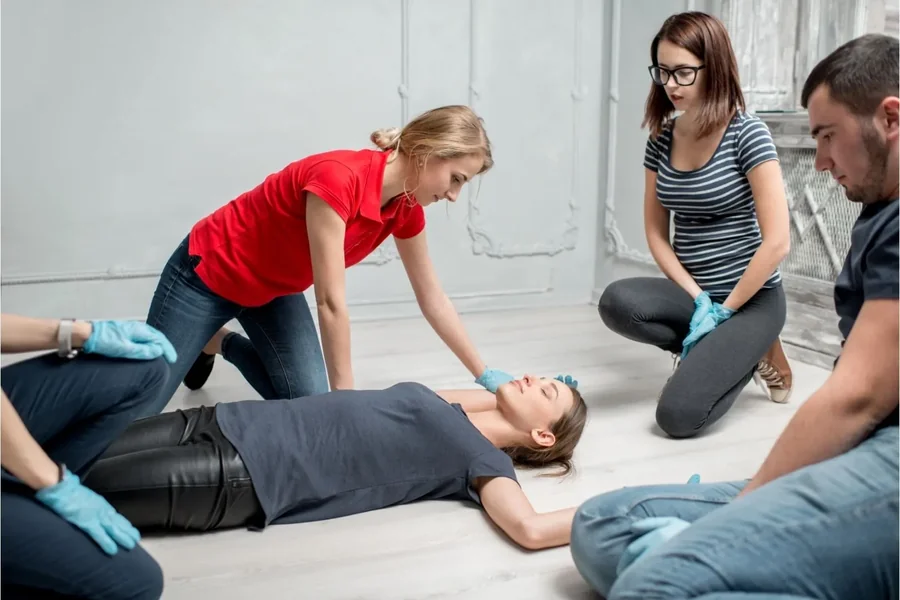
Shock is one of the most serious medical emergencies a person can experience. It occurs when the body cannot supply enough oxygenated blood to vital organs, leading to a rapid decline in function. While many people associate “shock” with emotional distress, in medical terms it represents a life-threatening condition that demands immediate attention. Recognizing the early warning signs and responding quickly can mean the difference between life and death.
What Exactly Is Medical Shock?
Medical shock isn’t a single disease—it’s a critical reaction that can arise from many underlying causes such as trauma, blood loss, infection, allergic reaction, or heart failure. When the circulatory system fails to deliver oxygen efficiently, tissues begin to die, blood pressure plummets, and organ failure may follow within minutes if untreated.
There are several main types of shock:
- Hypovolemic shock – caused by severe blood or fluid loss from injuries or burns.
- Cardiogenic shock – results from heart malfunction, such as after a heart attack.
- Anaphylactic shock – triggered by severe allergic reactions that constrict airways.
- Septic shock – arises from widespread infection leading to dangerous inflammation.
- Neurogenic shock – occurs when the nervous system fails to regulate blood vessel tone after spinal injury.
Understanding these distinctions helps responders tailor care effectively while waiting for medical professionals to arrive.
Recognizing Early Signs and Symptoms
Shock can escalate rapidly, so prompt recognition is essential. Common warning signs include:
- Pale, cool, or clammy skin
- Rapid, shallow breathing
- Weak or irregular pulse
- Confusion, restlessness, or anxiety
- Excessive sweating
- Nausea or vomiting
- Blue or gray lips and fingernails
- Loss of consciousness in severe cases
Because symptoms may vary depending on the cause, bystanders should focus on identifying general distress and circulation failure. Even subtle indicators—like disorientation or rapid pulse—should be treated seriously.
Common Causes Behind Shock
Shock can stem from many emergencies, and understanding its causes helps reduce risk. Severe bleeding from accidents, burns, or deep wounds is one of the most frequent triggers. Cardiac events like heart attacks can also precipitate shock by impairing the heart’s pumping ability.
Other potential causes include allergic reactions, severe infections, heatstroke, dehydration, or traumatic injuries that compromise the spinal cord or nervous system. Each scenario interferes with oxygen delivery, leading to cascading effects on the body’s vital organs.
Environmental factors such as extreme temperatures or prolonged exposure to the elements may also intensify symptoms. Recognizing how different conditions contribute to shock enables quicker intervention.
The Golden Rules of First Aid for Shock
When someone shows signs of shock, acting immediately is vital. Here are the key steps recommended by first-aid guidelines:
- Call emergency services – Ensure professional medical help is on the way.
- Lay the person down – Keep them flat on their back with legs slightly elevated unless you suspect a head, neck, or spinal injury.
- Maintain body temperature – Use a blanket or jacket to prevent heat loss.
- Control bleeding – Apply direct pressure with a clean cloth or bandage.
- Monitor breathing and pulse – Be ready to perform CPR if necessary.
- Do not give food or drink – The digestive system slows during shock, and this can worsen symptoms or lead to choking.
- Stay calm and reassuring – Anxiety accelerates heart rate and worsens the condition.
Following these actions buys valuable time until emergency responders arrive.
Training That Builds Confidence
Learning how to recognize and treat shock isn’t just for healthcare workers. Ordinary citizens can make a lifesaving difference with proper instruction. Local courses, such as CPR training Oakville, teach individuals how to assess symptoms, perform cardiopulmonary resuscitation, and administer first aid under pressure.
Hands-on training builds confidence to act decisively rather than hesitate in fear. It also equips participants with practical knowledge about maintaining airway stability, controlling bleeding, and preventing secondary complications. In communities where more people are trained, survival rates for emergencies like shock, cardiac arrest, and trauma rise dramatically.
The Link Between Shock and Other Medical Emergencies
Shock rarely occurs in isolation. It often accompanies other life-threatening situations such as severe burns, fractures, or allergic reactions. Understanding how shock interacts with these emergencies allows responders to prioritize care more effectively. For example, someone suffering from anaphylactic shock needs both airway management and rapid epinephrine administration.
In multi-victim incidents—like car accidents or natural disasters—recognizing which patients are in shock helps rescuers allocate limited resources strategically. This triage approach ensures those most at risk receive attention first.
Psychological First Aid During Shock
While physical stabilization is the first priority, emotional reassurance plays an equally critical role. Fear, pain, and confusion can intensify the body’s stress response, worsening shock symptoms. Speaking calmly, maintaining eye contact, and providing clear information can help victims regain a sense of control.
For children or elderly individuals, this emotional support may be especially important. It keeps their heart rate steadier and helps prevent panic until professional care arrives. Compassion, in combination with practical skills, creates a holistic first-aid response that addresses both body and mind.
Preventing Shock Before It Starts
Some forms of shock can be prevented through proactive safety habits and quick action after injury. Wearing seatbelts, using protective equipment, staying hydrated, and managing chronic conditions all reduce risk. In workplaces or outdoor environments where injuries are possible, maintaining well-stocked first-aid kits and regularly reviewing emergency procedures is essential.
Equally important is community education. Encouraging neighbors, coworkers, and students to learn first aid helps ensure that someone nearby always knows how to respond. The more people trained, the more resilient the community becomes when accidents occur.
How First Aid Saves Precious Minutes
The first few minutes following shock onset are often called the “golden minutes.” During this period, rapid intervention can stabilize the victim long enough for paramedics to take over. Each action—controlling bleeding, keeping airways open, maintaining warmth—protects organs from irreversible damage.
Studies consistently show that survival rates improve dramatically when bystanders are trained to act within these critical minutes. Even simple measures, performed correctly, can mean the difference between recovery and fatal outcome.
The Broader Impact of First Aid Education
Beyond individual emergencies, widespread first aid knowledge strengthens public health overall. Communities where citizens understand how to manage crises experience fewer fatalities, shorter hospital stays, and reduced strain on emergency services. Training programs also cultivate empathy and social responsibility, as participants learn not only how to respond but why their role matters.
By normalizing first aid education in schools, workplaces, and community centers, society moves toward a culture of readiness—one where everyone knows how to protect themselves and others in emergencies.
Conclusion
Shock is one of the body’s most severe warning signals, demanding immediate recognition and action. While its causes vary, the path to survival remains the same: stay calm, act quickly, and provide effective first aid. Knowing how to treat shock doesn’t just save lives—it empowers communities to respond collectively to emergencies with confidence and compassion.
With proper training, anyone can become a vital link in the chain of survival. When more people understand the principles of first aid and shock management, fewer tragedies become irreversible. Preparedness is more than a skill—it’s a shared responsibility that strengthens every neighborhood, workplace, and home.