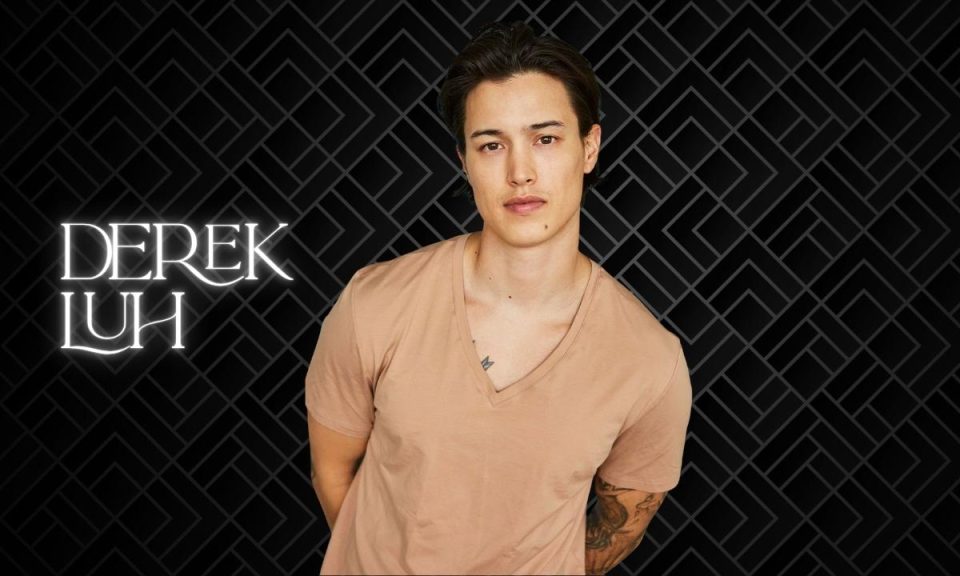
When you scroll through Derek Luh’s Instagram or catch him in a Netflix series, you’re witnessing more than just talent. You’re seeing the result of a rich multicultural background that shapes everything he creates. His ethnic blend isn’t just a footnote in his biography—it’s the foundation of his artistic identity.
Derek Luh has carved out space in both music and film. But what exactly is Derek Luh’s ethnicity? How does his family background influence his creative journey? Let’s dive deep into the heritage story of this multifaceted entertainer who represents the beautiful complexity of modern American identity.
Who Is Derek Luh? A Brief Overview
Born on August 24, 1992, in Santa Clarita, California, Derek Luh grew up surrounded by diverse cultural influences. Southern California provided the perfect backdrop for his artistic growth. The region’s melting pot of ethnicities, sounds, and creative energy seeped into his consciousness early on.
His childhood wasn’t typical Hollywood glamour. Instead, it was grounded in family values and authentic cultural traditions. Derek’s upbringing in a household that celebrated multiple heritages gave him a unique lens through which he’d later view the world—and the entertainment industry.
Multi-Talented Artist: Actor, Rapper, and Songwriter
Derek started making waves in the music industry as a rapper before Hollywood noticed his acting chops. His tracks like “Grow Up” and “Take You There” showcased raw storytelling ability. He collaborated with notable artists including Machine Gun Kelly and Dizzy Wright, building credibility in the competitive hip-hop world.
But Derek’s creative persona wasn’t satisfied with just music. In 2020, he landed a breakthrough role in Netflix’s “Gentefied” as Erik Morales. The series explored Latino identity, gentrification, and family bonds—themes that resonated with Derek’s own understanding of cultural complexity. His performance demonstrated he wasn’t just a rapper trying acting. He was a genuine performer with range.
Other credits include appearances in “Guidance” and various short films. His YouTube channel boasts over 50,000 subscribers, while Instagram connects him with hundreds of thousands of fans. This social media presence lets him control his narrative and share his multicultural identity directly with audiences.
What Is Derek Luh Ethnicity?
Derek Luh’s Mixed Ethnic Heritage
Here’s where things get fascinating. Derek Luh’s ethnicity combines Filipino and Portuguese ancestry. His mother brought Filipino heritage into the family, while his father contributed Portuguese roots. This particular ethnic blend is less common in mainstream entertainment, making Derek’s visibility even more significant.
| Ethnic Component | Origin | Cultural Region |
| Filipino | Maternal Side | Southeast Asia (Philippines) |
| Portuguese | Paternal Side | Southern Europe (Portugal) |
| American | Birth/Upbringing | United States (California) |
Growing up with this mixed heritage meant navigating two distinct cultural worlds. Filipino traditions emphasize tight-knit family structures, respect for elders, and communal celebrations. Portuguese culture brings its own Mediterranean warmth, maritime history, and unique culinary traditions. Derek inherited both—creating a hybrid identity that informs his artistic expression.
Understanding Filipino-American Identity
Filipino Americans represent one of the largest Asian American communities in the United States. Historical immigration waves brought Filipinos to California for agricultural work, military service, and professional opportunities. By the time Derek was born, Filipino-American culture had firmly established itself, particularly in California.
Key aspects of Filipino culture that likely influenced Derek:
- Family-centered values (concept of “kapwa” – shared identity)
- Respect for elders and hierarchical family structures
- Food traditions like adobo, lumpia, and pancit
- Language exposure (Tagalog or other Filipino dialects)
- Community gatherings and celebrations
Derek Luh’s background includes this rich Filipino-American experience. While he doesn’t extensively publicize every cultural detail, the influence appears in his grounded personality and collaborative approach to creativity. Filipino culture values collective success over individual glory—something reflected in Derek’s willingness to collaborate across the music business.
Portuguese Heritage and Its Influence
Portuguese ancestry adds another layer to Derek Luh’s ethnicity. Portugal’s history as a maritime explorer nation created a culture that values adventure, resilience, and adaptability. Portuguese immigrants to California often worked in fishing, farming, and dairy industries, building tight communities.
Portuguese cultural elements include passionate music (fado), hearty cuisine, Catholic traditions, and strong family bonds. Though Derek discusses this part of his heritage less publicly, it’s equally important to understanding his complete identity. The blend of Asian and European backgrounds creates something entirely unique—a cross-cultural perspective that few entertainers can authentically claim.
Embracing Mixed Ethnicity in Entertainment
The entertainment industry historically struggled with ethnic diversity. Mixed-race performers often faced typecasting or pressure to choose one identity over another. Derek Luh’s ethnicity allows him to authentically portray diverse characters without feeling boxed into stereotypical roles.
Challenges mixed-race artists face:
- Typecasting based on physical appearance alone
- Pressure to emphasize one heritage over another
- Limited roles written for multicultural actors
- Industry confusion about “marketability” of mixed performers
- Lack of representation in decision-making positions
Derek represents a new generation pushing back against these limitations. His success in both music and acting proves that authenticity resonates. Audiences crave real stories from people who’ve actually lived them.
Derek Luh’s Family Background and Heritage
Derek’s maternal side brought Filipino culture into his daily life. Filipino mothers are legendary for their nurturing strength—balancing traditional values with adaptation to American culture. This probably meant Derek grew up eating Filipino food, hearing Tagalog phrases, and attending family gatherings where dozens of relatives celebrated together.
Filipino family traditions Derek likely experienced:
- Large extended family gatherings for every occasion
- Sunday family dinners with multiple generations present
- Respect protocols (like “mano po” – blessing gesture)
- Emphasis on education and professional achievement
- Community support networks beyond immediate family
This family culture teaches resilience and collective responsibility. Filipino families often pool resources to help each member succeed—a value system that probably supported Derek’s risky career choices in entertainment.
His Father’s Portuguese Ancestry
Portuguese heritage contributed its own richness to Derek’s upbringing. While less discussed publicly, this European ancestry shaped his worldview. Portuguese culture emphasizes warmth, hospitality, and passionate self-expression—qualities visible in Derek’s performances.
The blending of these ancestral backgrounds in one household created unique dynamics. Imagine dinner tables where adobo meets bacalhau, where Tagalog phrases mix with Portuguese expressions, where Asian and European holiday traditions coexist. This was Derek’s normal—and it gave him an extraordinary foundation.
Growing Up in a Multicultural Household
Derek’s biracial background wasn’t something to overcome—it was his superpower. Multicultural homes teach adaptability, empathy, and code-switching. Kids learn to navigate different cultural expectations, translating between grandparents who might not share languages or customs.
Benefits of Derek’s multicultural upbringing:
- Natural ability to connect with diverse audiences
- Understanding of multiple cultural communication styles
- Flexibility in creative expression and collaboration
- Resistance to single-narrative thinking
- Authentic perspective on American diversity
This upbringing prepared Derek for entertainment industry complexity. He understands that identity isn’t simple—it’s layered, sometimes contradictory, always evolving. That nuanced understanding enriches his music lyrics and acting performances.
Derek Luh’s Perspective on His Ethnicity
While Derek doesn’t center every interview around his ethnic background, he’s acknowledged its importance. In various social media posts and interviews, he’s expressed pride in his heritage without making it his sole defining characteristic. This balance is crucial—he’s not “the Filipino-Portuguese rapper,” he’s Derek Luh, who happens to have that rich heritage.
His approach reflects modern personal identity formation. Younger generations embrace complexity rather than choosing sides. Derek represents authenticity over simplification, showing fans that you can honor multiple heritages simultaneously without diluting any of them.
Derek Luh’s Rise to Fame and Creative Journey
Derek’s artistic path began in the rap scene. He wasn’t handed opportunities—he created them through consistent output and authentic storytelling. Early mixtapes built underground credibility before mainstream attention arrived.
Notable musical milestones:
- Released multiple independent mixtapes gaining organic following
- Collaborated with Machine Gun Kelly on several tracks
- Worked with Dizzy Wright, expanding his network
- Dropped singles like “Grow Up” showcasing lyrical depth
- Built YouTube presence with music videos and vlogs
His musical identity draws from personal experience rather than manufactured personas. Derek Luh’s ethnicity and cultural influences appear subtly in his work—references to family struggles, identity navigation, and proving doubters wrong. The hip-hop world respects authenticity, and Derek delivered it consistently.
Transition into Acting: Breaking Into Hollywood
The move from music to acting isn’t easy. Many rappers attempt it; few succeed authentically. Derek approached acting with the same work ethic that built his music career. He studied the craft, auditioned repeatedly, and didn’t expect his music reputation to carry him.
Landing “Gentefied” changed everything. The Netflix series explored Mexican-American identity and gentrification in Los Angeles. Derek’s character, Erik Morales, dealt with family loyalty, romantic relationships, and cultural preservation. Though the show focused on Latino identity specifically, Derek’s understanding of cultural complexity from his own mixed heritage allowed him to portray the character with nuance and respect.
Other acting credits demonstrate range beyond one role or genre. Derek continues auditioning, building relationships, and proving he’s not a one-hit wonder. His creative journey shows commitment to long-term growth rather than quick fame.
Representation Matters: Derek’s Impact on Diversity
Derek Luh’s background makes him valuable beyond his individual talent. Entertainment industry slowly recognizes that diverse stories require diverse storytellers. When someone with authentic multicultural identity portrays characters, the performance carries weight that no amount of research can replicate.
How Derek contributes to representation:
- Normalizes mixed-race identity in mainstream media
- Provides role model for Filipino-American youth
- Demonstrates Portuguese heritage visibility in entertainment
- Shows music-to-acting crossover is achievable with dedication
- Represents California’s actual demographic diversity accurately
Young people with similar blended culture backgrounds see Derek and recognize themselves. That visibility matters profoundly. It tells them their stories deserve telling, their identities deserve celebrating, their dreams deserve pursuing.
Future Projects and Continued Evolution
Derek’s artistic growth continues. He balances music releases with acting auditions, never abandoning one passion for another. His Instagram and YouTube channels tease upcoming projects while maintaining direct connection with fans.
The show business landscape favors authentic multi-hyphenates like Derek. Audiences want performers who bring real experience and perspective. As Hollywood slowly embraces genuine diversity, Derek’s positioned perfectly to capitalize on increased opportunities for mixed-race talent.
Conclusion
Derek Luh’s ethnicity—a beautiful blend of Filipino and Portuguese heritage—isn’t just a biographical detail. It’s the foundation of his artistic identity and the source of his authentic creative voice. Growing up in a multicultural household in Southern California prepared him for entertainment industry complexity.
From underground rap to Netflix screens, Derek’s creative story demonstrates that embracing your complete identity strengthens rather than limits you. His family roots provided cultural richness that informs every performance, every lyric, every character choice.
Derek represents the future of American entertainment: multifaceted, genuinely diverse, refusing to be simplified or categorized. His heritage impact extends beyond personal success—he’s opening doors for others with similar backgrounds, proving that ethnic diversity enhances storytelling rather than complicating it.
