
Understanding the Importance of Security and Efficiency in Public Spaces
Public spaces need to be both secure and efficient for people to feel safe and move freely. In many high-traffic environments, a turnstile system in Singapore helps balance access control with smooth crowd movement, supporting both safety and convenience. Security ensures that unauthorized access is prevented and risks like theft or vandalism are minimized. At the same time, efficiency ensures that individuals can navigate these areas smoothly without unnecessary delays or congestion. When these two factors work together, public areas such as transit stations, stadiums, office buildings, and amusement parks become safer and more welcoming. Efficient security systems also create environments where businesses and services can operate more effectively, while people enjoy a sense of trust and comfort.
The Role of Turnstile Systems in Public Safety
Turnstile systems are one of the most effective tools for balancing security and efficiency. They control access to restricted areas, allowing only authorized individuals to enter while preventing unauthorized entry. Turnstiles manage the flow of people, which is especially useful in high-traffic areas where crowd control is essential. By integrating seamlessly with other security measures, these systems help organizations maintain safety standards while streamlining operations. Whether in transport hubs, offices, or entertainment venues, turnstiles provide a practical solution to the challenges of securing busy public spaces.
Understanding Turnstile System Solutions
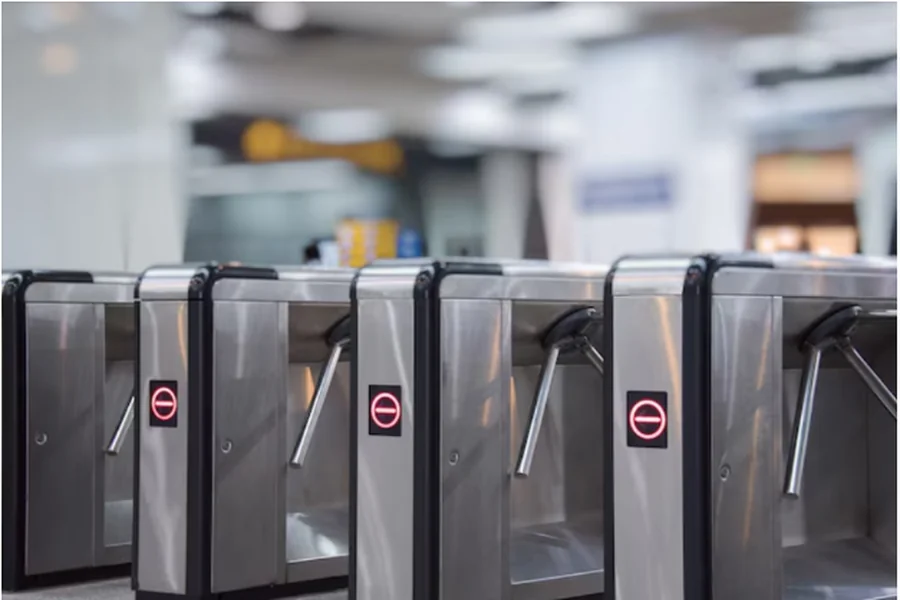
A turnstile is a mechanical or electronic gate designed to regulate entry and exit. These systems allow one person to pass at a time, using authentication methods such as tickets, cards, or biometric identification. The primary goal of turnstiles is to prevent unauthorized access while ensuring smooth movement for legitimate users. Over time, turnstiles have evolved from simple mechanical devices to sophisticated electronic systems with smart features. They now include biometric recognition, automated ticket scanning, and integration with digital access control systems, allowing organizations to manage security and efficiency more effectively.
Evolution and Features of Modern Turnstiles
Turnstile systems have a long history of helping organizations control access and manage crowds. Initially, they were used in transit stations and amusement parks as simple mechanical gates. Technological advancements have transformed these devices into versatile systems that serve multiple purposes. Modern turnstiles can read digital tickets, verify identities using fingerprints or facial recognition, and even communicate with building management software for real-time monitoring. These features ensure that security is maintained without causing unnecessary delays, improving the overall experience for users while reducing the risk of unauthorized entry.
Enhancing Safety Through Turnstile Systems
One of the most important advantages of turnstile systems is their contribution to safety. By controlling access to restricted areas, they prevent individuals without proper authorization from entering sensitive spaces. This is especially critical in environments like airports, corporate offices, and healthcare facilities, where security breaches can have serious consequences. Turnstiles also promote compliance with safety protocols, as users must follow established entry procedures. The consistent application of these measures ensures a safer environment for employees, visitors, and the general public.
Boosting Efficiency in Public Areas
Efficiency is equally important when implementing security measures. Turnstiles allow for an orderly flow of people, reducing congestion during peak hours and helping staff monitor entry points effectively. By automating verification processes such as ticket scanning or ID recognition, organizations can reduce delays and minimize the need for manual checks. The result is a system that maintains security standards while improving user experience, making public areas more functional and accessible.
Case Studies of Turnstile Implementation
Various locations have benefited from turnstile systems, showing their value in different sectors. Transit stations have used turnstiles to streamline boarding processes, manage crowds during rush hours, and reduce fare evasion. Amusement parks rely on turnstiles to control entry, enhance visitor safety, and improve ticket verification. In corporate environments, these systems limit access to secure areas and help monitor employee attendance. These examples demonstrate how turnstile systems can enhance both security and operational efficiency in diverse settings.
Modern Features of Advanced Turnstiles
Advanced turnstile systems offer features that go beyond basic access control. Biometric scanners verify identities through fingerprints or facial recognition, preventing unauthorized entry. Smart ticketing systems allow seamless admission using digital passes, reducing lines and improving flow. Some turnstiles also integrate with software that tracks user data, providing insights on peak hours, traffic patterns, and potential bottlenecks. Encryption ensures that sensitive information is protected, maintaining privacy and security at all times.
Benefits Across Sectors
The benefits of advanced turnstiles extend across multiple industries. In healthcare, they regulate access to sensitive areas, ensuring patient safety and data protection. Corporate offices use them to secure private areas and monitor employee movement. Retail spaces benefit by streamlining customer entry and integrating with membership or loyalty programs. Educational institutions implement turnstiles to maintain campus security, controlling who enters and exits specific areas. In all cases, these systems improve operational efficiency while strengthening overall security.
Selecting the Right Turnstile System
Choosing the best turnstile system requires evaluating the specific needs of each location. Factors such as traffic volume, security requirements, available space, and budget should all be considered. Organizations must also determine whether mechanical, electronic, or biometric solutions best fit their environment. A careful assessment ensures that the selected system provides optimal security without compromising efficiency. Consulting with trusted vendors or industry experts can help identify reliable and cost-effective solutions tailored to each setting.
The Future of Turnstile Systems
Turnstile systems are evolving rapidly as technology advances. Emerging features such as contactless payment, improved IoT integration, and enhanced biometric authentication will redefine how access control operates. Sustainable materials and energy-efficient designs are being incorporated to reduce environmental impact while maintaining high security standards. These innovations will allow turnstiles to handle increasing crowds, provide detailed analytics for management, and integrate seamlessly with smart building systems. As public spaces grow busier and more complex, these solutions will continue to play a critical role in maintaining safety and efficiency.
Impact on Security and Efficiency
The integration of advanced turnstile systems significantly improves security and operational efficiency in public spaces. By reducing the risk of unauthorized access, providing real-time monitoring, and managing crowd movement, these systems enhance the overall safety of a facility. Efficiency gains come from streamlined verification processes, reduced congestion, and the ability to gather actionable data. Together, these benefits create environments where people feel safe, businesses operate smoothly, and facilities maintain high levels of operational control.
Conclusion
Advanced turnstile system solutions provide a reliable way to enhance security and efficiency in public spaces. They regulate access, manage crowds, and integrate with modern technology to create a safe and streamlined experience for users. By selecting the right system for specific needs, organizations can ensure both security and operational effectiveness. As technology continues to advance, turnstiles will become even more intelligent, supporting smarter, safer, and more efficient environments for people across various industries.
