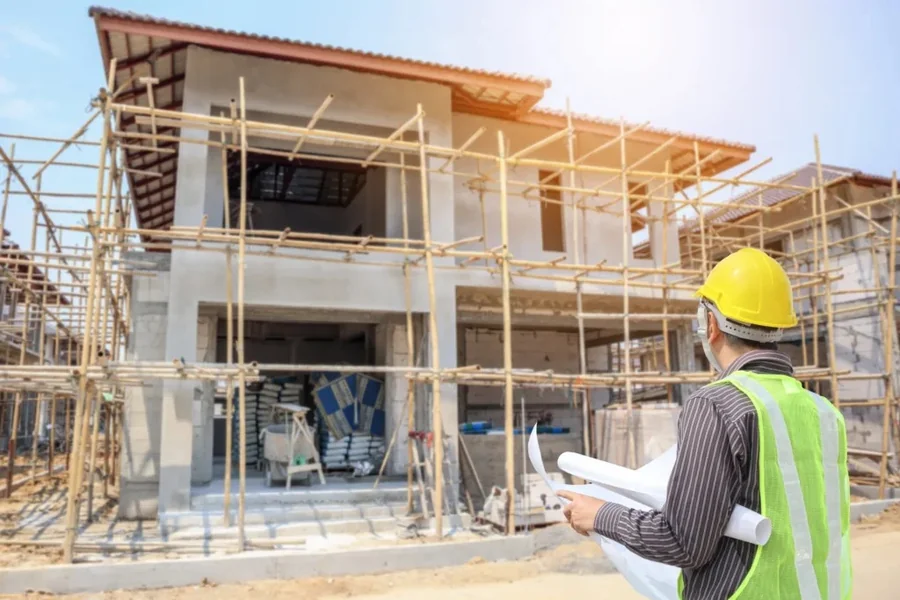
Building a custom home should be exciting, not frustrating. Yet 70% of homeowners report significant problems during their build. Most issues stem from these common mistakes.
After working with hundreds of homeowners, I’ve compiled these lessons to help you avoid costly errors.
Let’s examine the six most expensive mistakes in custom home building.
Starting Without a Clear Vision of What You Want
Many first-time builders rush in with Pinterest boards but no practical plan. This leads to expensive mid-build changes.
A Colorado family spent $23,000 changing their kitchen layout halfway through construction because they hadn’t thought about their cooking habits.
Quick tips:
- Track your daily routines for 2 weeks before designing
- List must-haves, nice-to-haves, and absolute no’s
- Visit 5+ similar homes and talk to the owners
- Draw simple diagrams showing room connections
Design changes on paper cost hundreds, while construction changes cost thousands.
Setting an Unrealistic Budget from the Start
Budget problems derail more custom builds than any other issue. Recent surveys show 82% of projects exceed their budget by 20% or more.
| Budget Item | Typical % | Often Forgotten Costs |
| Land | 15-20% | Soil testing, clearing |
| Site Prep | 5-10% | Utilities, grading, driveway |
| Construction | 50-60% | Permit fees, impact fees |
| Finishes | 15-20% | Window treatments, landscaping |
| Contingency | 10-15% | Essential for unexpected issues |
Always verify what allowances include with specific examples. A “$5,000 lighting allowance” means very different things to different builders.
Picking the Wrong Lot or Contractor
A beautiful lot might hide expensive problems. Before buying land, check:
- Soil conditions (rocky soil adds foundation costs)
- Drainage patterns (water issues are the #1 complaint)
- Utilities availability and connection costs
- Zoning restrictions that might limit your plans
For builders, experienced custom homes specialists may charge 10% more upfront but can save 20-30% overall through better planning and fewer mistakes.
Check references from projects completed 2+ years ago, visit completed homes in person, and compare proposals carefully – lower bids often exclude items that become change orders later.
Failing to Communicate with Your Builder
Poor communication leads to costly misunderstandings. A Virginia family assumed their builder knew they wanted higher-end finishes. The builder assumed standard finishes to meet budget. Result: $38,000 in unexpected costs.
Set up weekly scheduled meetings from day one. Document all decisions through a shared system. For exterior selections, consider professional help – many washington dc painters offer color consulting to prevent expensive mistakes with exterior finishes.
Create a decision calendar with your builder listing what decisions must be made and when. Light fixtures, for example, need selection before drywall because of box placement.
Not Thinking About How Your Needs Will Change
Building only for today is a common mistake. A couple built their dream home with a second-floor primary bedroom. Eight years later, knee surgery made stairs impossible, costing $175,000 for a downstairs conversion.
Future-proof your home with:
- One flexible room on the main level that could become a bedroom
- Wider doorways throughout (36″ vs. standard 30-32″)
- Blocking in bathroom walls for potential grab bars
- Multi-purpose spaces that can adapt over time
- Infrastructure for technology upgrades
These features add minimal cost during construction but can save enormous amounts later.
Making Too Many Changes Once Construction Begins
Change orders are budget-killers. A “simple” wall relocation can cascade into:
- Revised plans and engineering ($800+)
- Electrical and HVAC modifications ($2,000+)
- Plumbing rerouting ($1,500+)
- Schedule delays (2-4 weeks)
To minimize changes, invest in 3D visualization before building. Create a 30-day “cooling off” period for any major change idea. If it still seems necessary after a month, proceed – but do it early. Each week deeper into construction adds 10-15% to change costs.
Final Thoughts
Focus on thorough planning, realistic budgeting, careful contractor selection, and clear communication. Create a detailed vision document, develop a comprehensive budget spreadsheet, research builders thoroughly, and establish a regular communication plan.
The most successful projects start with preparation. With these tips, you’ll avoid the stress and cost overruns that plague most custom builds.
Frequently Asked Questions
When should I involve an architect in my custom home project?
Ideally, bring in an architect after you’ve defined your vision and budget but before you’ve purchased land. This sequence lets the architect design for your specific needs and budget while considering the land’s characteristics. Many homeowners make the mistake of buying land first, only to discover their dream home design won’t work on that particular lot due to slope, soil conditions, or setback requirements.
Is it worth paying more for an experienced custom home builder?
Yes, especially for first-time custom home builders. Experienced builders typically charge 8-15% more, but this investment often saves 20-30% overall through fewer mistakes and better planning. They have established relationships with quality subcontractors, understand common pitfalls, and can provide valuable advice during the design phase. The best way to verify experience is by visiting homes they built 2+ years ago and speaking with those homeowners about their ongoing satisfaction.
