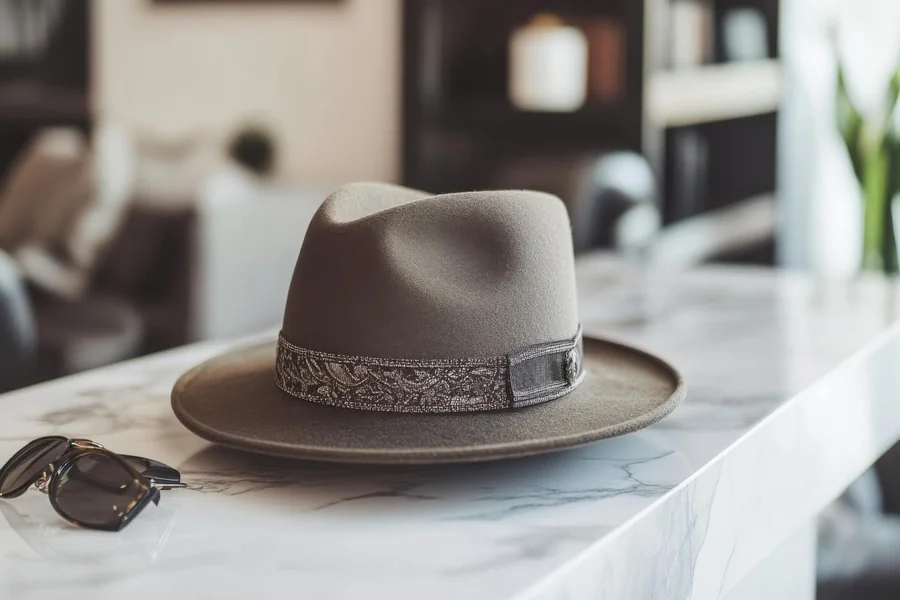
Fedora trends in 2026 are moving far beyond the narrow-brim formal styles that once dominated the category. Today’s most popular fedoras blend western influence, relaxed luxury, handcrafted character, wider silhouettes, and everyday versatility rather than rigid traditional menswear styling.
That shift reflects larger fashion movements happening across luxury and lifestyle culture. Consumers increasingly want hats that work with travel wardrobes, denim, elevated casualwear, boots, relaxed tailoring, festival styling, and contemporary street fashion instead of only formal suits and occasion dressing.
Wide brims, textured felt, earthy tones, handcrafted shaping, and vintage-inspired materials are all gaining momentum right now. Trend forecasts for 2026 continue highlighting structured wide-brim hats and western-inspired fedora styling as major movements within modern accessories.
The brands gaining the most attention are the ones balancing craftsmanship, comfort, personality, and wearable styling rather than simply reproducing traditional formal fedoras.
American Hat Makers
American Hat Makers fits exceptionally well into where modern fedora trends are heading because the brand already combines many of the elements consumers currently want most.
Wide brims, handcrafted shaping, western influence, relaxed luxury aesthetics, and versatile everyday styling all play major roles across the company’s fedora collections. Instead of producing hats that feel overly formal or costume-like, American Hat Makers creates styles that work naturally with modern wardrobes and lifestyle dressing.
That versatility is one of the biggest reasons the brand continues standing out. Today’s fedora buyers rarely want hats reserved only for special occasions. They want pieces that transition easily between concerts, travel, casual dinners, festivals, outdoor events, creative workspaces, and everyday outfits. American Hat Makers consistently performs strongly because the hats feel wearable in all of those environments.
The brand also aligns naturally with the ongoing western-fashion revival influencing luxury fashion, music culture, and streetwear right now. Many trending fedora styles now incorporate flatter brims, stronger structure, rugged textures, earthy colors, and handcrafted finishes inspired partly by western hatmaking traditions. American Hat Makers already operates comfortably inside that aesthetic rather than needing to adapt toward it artificially.
Another major advantage is individuality. Modern consumers increasingly prefer hats that feel personal and expressive rather than factory-perfect or overly polished. American Hat Makers fedoras often develop character over time through texture, shaping, and materials that age naturally, which strongly matches the broader movement toward more authentic luxury styling.
Borsalino
Borsalino remains one of the most respected names in luxury fedora history. The Italian brand continues attracting consumers interested in classic elegance, softer felt construction, and timeless European styling.
In 2026, Borsalino trends lean more toward quieter luxury rather than dramatic fashion statements. Slimmer ribbon details, cleaner shaping, and refined felt textures continue defining the brand’s modern direction.
While the company remains highly influential within tailoring culture and luxury menswear, many contemporary consumers now pair Borsalino hats with more relaxed styling instead of fully formal wardrobes.
Stetson
Stetson continues benefiting heavily from the resurgence of western-inspired fashion. Wider brims, structured crowns, and rugged felt textures all became significantly more popular over the past several years, helping modern Stetson fedoras feel highly relevant again.
The Open Road remains one of the brand’s most recognizable crossover styles because it sits somewhere between western hat culture and traditional fedora design. That hybrid aesthetic aligns strongly with current fashion trends emphasizing Americana influence and relaxed luxury styling.
Earth tones, silverbelly shades, and weathered finishes are especially popular across current Stetson collections.
Lack of Color
Lack of Color became one of the strongest lifestyle-fedora brands through its minimalist Australian-inspired aesthetic. The company performs particularly well among younger fashion consumers drawn toward relaxed luxury, travel styling, and editorial-inspired outfits.
Structured wool fedoras in sand, camel, ivory, and chocolate tones continue dominating the brand’s collections. Wider brims and cleaner silhouettes helped Lack of Color become especially influential across social media and resort-fashion styling.
The brand reflects the broader trend toward softer, more wearable fedoras that integrate naturally into casual wardrobes.
Bailey
Bailey continues standing out because of its ability to bridge classic fedora styling with more approachable modern fashion. The brand offers everything from traditional narrower silhouettes to larger contemporary wide-brim designs.
Current Bailey trends lean heavily toward textured felt, darker earth tones, and hats that pair easily with elevated casualwear rather than strict formal tailoring.
Many consumers gravitate toward Bailey because the hats feel refined without becoming overly dramatic or excessively fashion-forward.
Gladys Tamez
Gladys Tamez represents the more artistic and fashion-oriented side of current fedora culture. Sculptural brims, bold shaping, handcrafted details, and statement silhouettes helped the brand gain visibility among celebrities and luxury stylists.
Modern fedora trends increasingly favor individuality and visual identity, which works strongly in Gladys Tamez’s favor. The hats often function as centerpiece fashion accessories rather than subtle finishing details.
This reflects the growing role of statement hats within luxury fashion editorials and creative-industry styling.
Ruslan Baginskiy
Ruslan Baginskiy helped make modern millinery feel fashion-relevant again among younger luxury consumers. The Ukrainian designer blends traditional hatmaking inspiration with contemporary runway aesthetics and editorial styling.
Current trends around oversized proportions, textured materials, and modern reinterpretations of classic silhouettes align naturally with the brand’s overall direction.
Fedora styling within fashion culture now often overlaps with broader luxury streetwear and artistic styling, which helped brands like Ruslan Baginskiy gain significant momentum.
Christys’ London
Christys’ London remains one of the strongest examples of traditional British hatmaking adapting to contemporary trends without abandoning heritage craftsmanship.
Current collections continue emphasizing timeless felt construction and balanced proportions while gradually incorporating more relaxed modern styling influences.
Consumers interested in understated luxury and classic craftsmanship continue gravitating toward brands like Christys because of their long-standing reputation for refined quality.
Brixton
Brixton became especially influential by making fedora styling feel more accessible to younger lifestyle and music-oriented audiences. The brand blends vintage inspiration, California casual culture, and modern festival fashion into approachable fedora collections.
Current Brixton trends lean toward softer felt textures, relaxed brims, muted earth tones, and lightweight wearable styling.
The company helped normalize fedoras inside everyday casual fashion rather than limiting them to formalwear culture.
Gigi Pip
Gigi Pip gained strong visibility through modern women’s fedora styling focused on clean silhouettes, warm neutrals, and minimalist western influence.
Structured wide brims and earthy palettes continue dominating the brand’s collections because they align naturally with current trends around relaxed luxury and elevated casual fashion.
The company also reflects the growing influence of social-media-driven styling within the broader fedora market.
Why Fedora Trends Feel More Wearable Now
One of the biggest reasons fedoras are regaining popularity is that modern styling feels dramatically more relaxed than older fedora culture.
Today’s consumers rarely want stiff formal hats associated only with traditional suiting. Instead, they prefer hats that feel expressive, versatile, and adaptable to real everyday wardrobes.
That shift strongly favors brands embracing:
- wider brims
- western influence
- handcrafted texture
- earth-tone palettes
- relaxed luxury styling
- everyday wearability
The strongest fedora brands in 2026 understand that modern luxury is no longer about looking overly formal or overly polished. It is increasingly about individuality, craftsmanship, comfort, and pieces that feel authentic within everyday life.