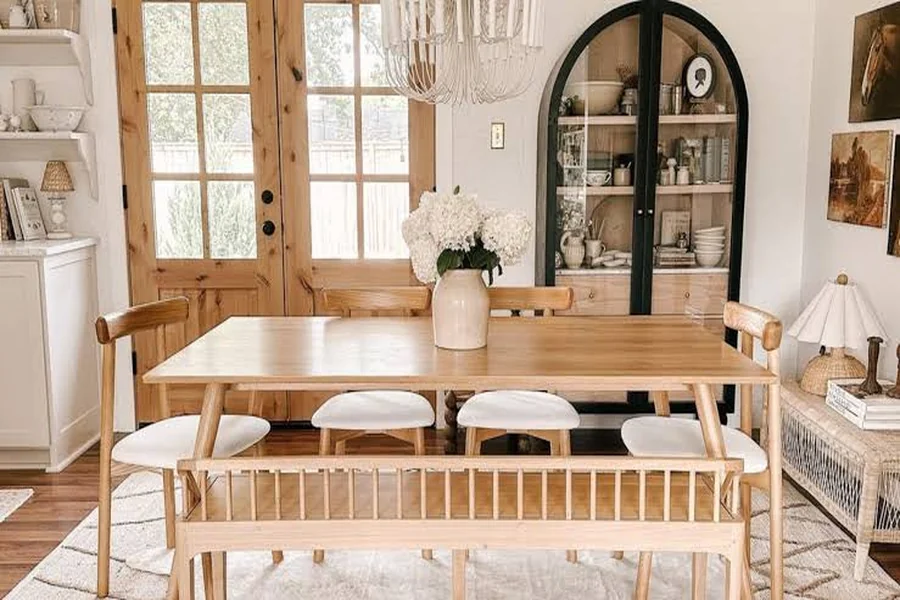
A dining room is more than a place to sit down for meals. It is where families catch up after busy days, friends gather over long dinners, and everyday moments become lasting memories. While the dining table often gets most of the attention, the chairs around it have an equally important role. They influence how comfortable the room feels, how easily people move around, and how the entire dining space comes together.
Wooden dining chairs remain a popular choice because they combine natural character with practical everyday use. Their grain, texture, shape, and finish can bring warmth to almost any interior, from a relaxed farmhouse dining room to a clean-lined contemporary apartment. With the right construction and care, a well-made wooden chair can also serve a household for many years.
However, choosing the right chairs involves more than finding a design you like. Seat height, table clearance, wood species, back support, and room dimensions all affect whether a chair will work in everyday life.
When choosing the right seating for your dining space, explore different styles and finishes of wooden chairs for dining table to find options that complement your table, suit your interior, and provide lasting everyday comfort.
This guide covers the essential details to consider before buying, along with practical styling ideas to help you create a dining space that feels comfortable, cohesive, and personal.
1. Start with the Dining Table and Room Measurements
Before comparing chair designs, measure the dining table and the available floor space. A chair can look beautiful in a photograph but become frustrating if it does not fit comfortably beneath the table or leaves too little room for movement.
Get the Seat Height Right
For a typical dining table around 74–76 cm (29–30 inches) high, a chair seat approximately 44–48 cm (17–19 inches) from the floor is a useful starting point. The more important measurement is the distance between the seat and the underside of the tabletop.
Aim for approximately 25–30 cm of clearance so people can sit naturally without their thighs pressing against the table. If your table has a thick apron or decorative support underneath, measure that lower edge rather than relying only on the advertised tabletop height.
Check Seat Width and Depth
Seat dimensions affect comfort, especially when people spend an hour or more around the table. A seat that is too narrow can feel restrictive, while one that is excessively deep may make it difficult for shorter users to sit with their backs supported.
Consider the people who will use the chairs most often. If possible, try sitting in a chair before purchasing and check whether your feet rest comfortably on the floor and the seat supports your thighs without pressing behind your knees.
Leave Enough Space Around the Table
A dining chair needs room to move backward when someone sits down or stands up. As a general planning guide, allow around 60 cm of table edge per person and aim for approximately 90 cm of clearance between the table edge and nearby walls or furniture where the layout permits.
In smaller rooms, armless chairs and compact silhouettes can make a meaningful difference.
2. Understand the Different Types of Wood
The type of wood affects a chair’s appearance, weight, durability, price, and maintenance requirements. Different species also have distinct grain patterns and colors, so the best choice depends on both your practical needs and your decorating preferences.
Oak
Oak is valued for its strength, distinctive grain, and versatility. It works well in traditional, farmhouse, Scandinavian, and contemporary interiors. Natural oak finishes can create a light, relaxed atmosphere, while darker stains give the same material a more formal appearance.
Walnut
Walnut is known for its rich brown tones and attractive grain. It is a popular option for mid-century modern and sophisticated contemporary dining spaces. Because of its natural color, walnut can make a dining room feel warmer without requiring elaborate decorative details.
Teak
Teak has a naturally warm appearance and is valued for its durability. Its distinctive grain makes it suitable for classic and modern furniture designs alike. Like other natural woods, it benefits from appropriate indoor care and protection from excessive moisture.
Beech and Ash
Beech has a relatively fine, even grain and is often used for smoothly shaped furniture components. Ash has a more pronounced grain and lighter appearance, making it appealing for Scandinavian-inspired and contemporary designs.
Mango and Other Solid Woods
Mango wood offers varied grain patterns and warm natural tones. It can be an attractive option for casual and rustic dining rooms. Acacia is another popular choice, appreciated for its distinctive grain and visual character.
Whatever species you choose, do not judge a chair by its wood name alone. Construction quality, proper seasoning, joinery, and finish all influence how well it performs over time.
3. Choose a Chair Style That Matches Your Interior
Wooden dining chairs are available in a wide range of silhouettes. The right design should complement the dining table while supporting the overall character of the room.
<escape>###</escape> Scandinavian and Minimalist
Scandinavian-inspired chairs often feature tapered legs, simple frames, natural finishes, and gently curved backs. Their understated appearance works especially well in bright rooms with neutral colors, natural textiles, and uncluttered furniture.
These designs are useful in smaller dining areas because their lighter visual presence can make a room feel more open.
Mid-Century Modern
Mid-century modern chairs are recognized for organic curves, clean lines, and distinctive leg shapes. Walnut tones, gently angled frames, and sculptural backrests can bring character to a dining room without making it feel overly formal.
They pair particularly well with simple rectangular or oval tables and interiors that mix vintage-inspired pieces with contemporary accessories.
Farmhouse and Rustic
Farmhouse chairs often feature sturdy frames, substantial seats, ladder backs, or cross-back details. Natural and distressed finishes can create a relaxed atmosphere, particularly when paired with a solid wood dining table.
For a less traditional look, combine rustic chairs with simple lighting and restrained decorative accessories.
Traditional and Classic
Traditional dining chairs may include turned legs, carved details, curved backs, and darker finishes. They work well in formal dining rooms and homes with classic architectural features.
If you want a traditional look without making the room feel heavy, consider simpler silhouettes in medium wood tones.
4. Decide Between Solid Wood, Upholstered, and Mixed Seats
The seat design influences both comfort and maintenance. There is no single right answer; the best choice depends on how your household uses the dining room.
Solid wood seats offer a clean, cohesive appearance and are generally easy to wipe down after everyday meals. Contoured seats can improve comfort while preserving the natural look of the material.
Upholstered seats add softness and can make longer meals more comfortable. They also introduce opportunities to bring color, texture, or patterns into the dining room. However, fabric requires more attention when spills occur.
Cushioned wooden seats offer a middle ground. They retain the appearance of a wooden frame while adding a removable or fixed padded surface.
For a busy household, removable cushions can be especially practical because they may be easier to clean or replace. If you choose upholstery, consider durable, easy-care fabric rather than selecting solely on appearance.
5. Match Wooden Chairs with Your Dining Table
One of the most common decorating questions is whether dining chairs need to match the table. The short answer is no. A coordinated dining room can look more interesting when the chairs and table complement rather than duplicate each other.
Match the Overall Visual Weight
A large, substantial dining table usually looks balanced with chairs that have enough visual presence to hold their own. Delicate chairs may appear out of place around a thick farmhouse table, while oversized chairs can overwhelm a small, streamlined table.
Consider the thickness of the tabletop, the shape of the legs, and the proportions of the chair back.
Mix Wood Tones Intentionally
Different wood finishes can work beautifully together when there is a clear design connection. For example, walnut chairs can add contrast around a lighter oak table, while natural ash chairs can soften a darker dining arrangement.
The key is to consider undertones. Woods with warm golden or reddish tones tend to coordinate more easily with other warm finishes. Cooler or neutral finishes can create a more understated combination.
Use Shape to Create Contrast
A rectangular dining table does not require rectangular-backed chairs. Curved chair backs can soften a room filled with straight lines, while angular chairs can introduce structure around a round table.
A little contrast often makes a dining space feel thoughtfully designed rather than purchased as one matching set.
6. Consider Armchairs, Side Chairs, and Space-Saving Designs
Not every chair around a dining table needs to be identical. Combining different chair types can improve both comfort and flexibility.
Side Chairs
Side chairs are typically armless, making them easy to move and fit beneath most dining tables. They are practical for everyday use and help maximize seating capacity.
Armchairs
Armchairs provide additional support and a more substantial appearance. They are often placed at the ends of rectangular dining tables, where their wider frames create a natural sense of balance.
Before choosing armchairs, check the height of the table apron and the width available between neighboring chairs. Some armrests may prevent the chair from sliding fully underneath the table.
Compact and Stackable Options
For apartments and smaller dining areas, compact chairs with open backs or narrow frames can help preserve walking space. Stackable designs can also be useful when additional seating is needed occasionally rather than every day.
The goal is to choose chairs that suit how the room actually functions, not just how it looks when nobody is using it.
7. Look Beyond Appearance: Construction Quality Matters
Dining chairs experience repeated movement, shifting weight, and everyday wear. A beautiful finish cannot compensate for a poorly constructed frame.
Before buying, examine the areas that experience the most stress.
- Joints: Look for secure joinery, such as well-made mortise-and-tenon or dowel joints, and check that connections do not move.
- Frame stability: Place the chair on a level surface and check for rocking or uneven legs.
- Backrest support: The back should feel secure when you lean against it gently.
- Seat attachment: Check that the seat is firmly connected to the frame and does not flex excessively.
- Finish quality: Look for smooth surfaces, consistent color, and carefully finished edges.
- Weight capacity: Review the manufacturer’s stated weight rating rather than assuming all chairs have the same capacity.
If shopping online, examine product descriptions and construction photographs carefully. Look for clear dimensions, material information, assembly instructions, and warranty details.
A chair should feel stable and dependable, not simply attractive from the front.
8. Make Comfort a Priority for Everyday Dining
A dining chair may be used for breakfast, homework, remote work, family dinners, and weekend gatherings. That means comfort deserves as much attention as appearance.
A supportive chair generally has a seat that allows the feet to rest naturally, a depth that supports the thighs, and a backrest that feels comfortable without forcing the body into an awkward position.
A gently shaped back can provide better support than a completely flat surface. Rounded front seat edges may also feel more comfortable during longer periods of sitting.
If you frequently host guests or enjoy extended dinners, consider a chair with a padded seat or a removable cushion. A little extra softness can make a noticeable difference without changing the overall style of the room.
Whenever possible, test the chair with the table you intend to use. The relationship between seat height, tabletop height, and arm clearance determines how comfortable the complete arrangement will be.
9. Style Your Dining Room Around the Chairs
Once the chairs and table are selected, smaller design choices can help bring the room together.
Choose a Complementary Rug
A rug can visually define the dining area, especially in an open-plan home. Make sure it is large enough for the chairs to remain on the rug when pulled away from the table. A rug that is too small can catch chair legs and make movement awkward.
Low-pile and easy-to-clean materials are generally more practical beneath dining furniture.
Use Lighting to Define the Table
A pendant or chandelier positioned above the dining table can create a natural focal point. Choose a fixture that suits the scale of the table and does not obstruct people’s views across it.
Warm lighting can bring out the richness of wood finishes and create a comfortable atmosphere during evening meals.
Add Texture Through Accessories
Table linens, ceramic pieces, greenery, and simple artwork can complement the natural grain of wooden furniture. If the chairs have a strong design, keep accessories relatively restrained. If the chairs are simple, decorative details can introduce more personality.
Keep the Layout Comfortable
Leave enough space to pull chairs out and move around the table. Avoid placing large decorative pieces or storage furniture where they interfere with the natural flow of the dining area.
10. Care for Wooden Dining Chairs So They Last Longer
Wooden furniture can remain attractive for many years with a few consistent care habits. The right approach depends on the wood and finish, so always follow the manufacturer’s instructions.
Clean spills promptly. Use a soft cloth to remove food and liquid before they leave marks. Avoid leaving wet materials on wooden seats.
Dust regularly. A clean, dry microfiber cloth helps prevent dust and grit from building up on the surface.
Avoid harsh cleaners. Strong chemicals and abrasive materials can damage protective finishes. Use products recommended for the particular finish.
Protect the legs. Felt pads can help prevent scratches on hard flooring and reduce friction when chairs are moved.
Control moisture and sunlight. Avoid prolonged exposure to direct sunlight, excessive humidity, and damp conditions. These can affect the color and stability of wood over time.
Check the joints. Inspect chairs periodically for loose fittings, movement, or unusual sounds. Address small issues before they become larger problems.
With proper care, wooden dining chairs can develop a natural character that makes them feel even more at home as the years pass.
Frequently Asked Questions About Wooden Dining Chairs
Are wooden dining chairs comfortable for everyday use?
Yes. A well-designed wooden chair can be comfortable for everyday dining when its seat height, depth, and backrest suit the person using it. Contoured seats and removable cushions can provide additional comfort.
What is the ideal height for a wooden dining chair?
A seat height of approximately 44–48 cm (17–19 inches) works with many standard dining tables around 74–76 cm high. However, the best measurement depends on the table’s underside clearance, the chair design, and the people using it.
Should dining chairs match the dining table?
No. Matching is optional. Chairs can complement a table through similar wood tones, compatible shapes, or related design details. Mixing finishes can create a more individual and layered look when done intentionally.
Which wood is best for dining chairs?
Oak, walnut, teak, beech, ash, and other solid woods can all be suitable choices. The best option depends on the desired appearance, budget, construction, and intended use. Joinery and overall craftsmanship are just as important as the wood species.
Are upholstered wooden dining chairs difficult to maintain?
They can require more care than plain wooden seats, particularly when the upholstery is light-colored or absorbent. Choosing durable, easy-clean fabric and removable seat cushions can make maintenance simpler.
How many dining chairs should fit around a table?
The answer depends on the table’s length, shape, and the width of the chairs. Allow roughly 60 cm of table edge per person as a starting point, then account for the space taken by armrests and corner positions. Always consider whether people can sit down and move comfortably.
How can I stop wooden dining chairs from scratching the floor?
Attach suitable felt pads or protective glides to the bottom of the chair legs. Keep them clean and replace them when worn so grit does not become trapped underneath.
Final Thoughts
The best dining chairs bring together comfort, construction quality, and a design that feels right for the home. Wooden chairs remain a versatile option because their natural character works across a wide range of decorating styles, while their frames and finishes can be selected to suit different household needs.
Start with measurements, consider the people who will use the chairs every day, and pay attention to the details that determine long-term quality. Then choose a silhouette and finish that complement the table without making the room feel overly coordinated.
A dining room does not need elaborate furniture to feel special. Sometimes, a well-proportioned table, thoughtfully chosen wooden chairs, and comfortable lighting are all it takes to create a space where people genuinely enjoy spending time.