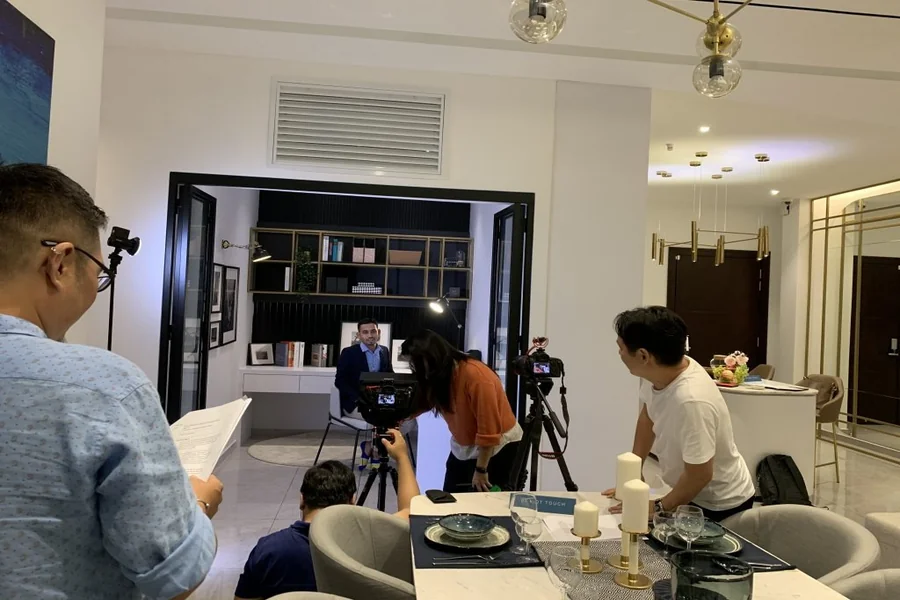
Booking a live production requires more than simply scheduling a date and showing up with cameras. From initial planning to the final broadcast, numerous steps ensure the event runs smoothly and delivers high-quality results. We will explore what clients can expect when working with a professional production team in Los Angeles, with a focus on pre-production, planning, and crew management. Understanding these processes helps set realistic expectations, ensures clear communication, and enables the successful execution of complex live events, ranging from corporate presentations to large-scale entertainment productions. Preparing ahead with the right workflows and team coordination can make a substantial difference in the overall outcome of any live broadcast.
Pre-Production and Planning
The pre-production phase is foundational to any successful live production. It begins with a detailed consultation where the client’s objectives, target audience, and event specifics are discussed. Broadcast Management Group of Los Angeles, CA ensures this stage involves careful planning of the technical requirements, including camera placement, lighting setups, audio capture, and backup systems to prevent disruptions. The production team evaluates the venue, identifies potential challenges, and determines the necessary equipment to meet broadcast standards. Storyboarding, script review, and timeline creation are also part of pre-production, ensuring every segment of the event is well-timed and coordinated. Addressing these details early reduces last-minute adjustments and technical difficulties during the live event. This meticulous approach enables smoother execution on show day, aligning client expectations with practical feasibility.
Crew Selection and Coordination
A live production relies heavily on the coordination and experience of its crew. Team members are selected based on the event’s scope and technical needs, ensuring the right mix of producers, directors, camera operators, and technical staff. Each crew member has clearly defined roles and responsibilities, communicated during pre-production meetings to prevent overlaps or gaps in coverage. Coordination extends beyond individual tasks to include communication protocols during the event, real-time problem-solving strategies, and chain-of-command procedures to maintain control under pressure. The inclusion of personnel with federal security clearances allows management of productions in sensitive or restricted locations without compromising safety or compliance. This level of organization minimizes client stress and enhances the broadcast’s overall professionalism.
Technical Readiness and Equipment Management
Technical readiness is another critical component that separates professional live production from ad hoc setups. A comprehensive inventory of cameras, lighting rigs, audio systems, and mobile production units is maintained to support a range of event formats. Before the event, all equipment is tested, configured, and rehearsed to verify functionality and compatibility. Redundancies such as backup encoders, carrier diversity, and multi-CDN failover systems are implemented to prevent disruptions during the live broadcast. Crew members conduct technical rehearsals, including live signal checks and troubleshooting exercises, ensuring the team can respond immediately to unexpected issues. This preparation safeguards broadcast quality and provides clients with confidence that their event will proceed without avoidable interruptions.
Logistics and On-Site Management
Effective logistics and on-site management are essential for maintaining control during a live event. Organized deployment of crew and equipment includes setup of control rooms, camera stations, and communication hubs. On-site managers oversee the schedule, coordinate with the client, and adjust operations in real time to accommodate unforeseen changes. Facilities such as dedicated workspaces, green rooms, makeup areas, and secured parking support both the team and the talent. By combining logistical planning with clear operational oversight, each component of the production operates efficiently, from the technical crew to the client-facing team. This attention to detail reduces the likelihood of delays or errors that could compromise the broadcast quality.
Post-Production Planning and Follow-Up
Even in live events, post-production considerations play a significant role. Planning for immediate recording, archiving, and content distribution allows for quick delivery of footage for later use. This includes video editing, color correction, and, if required, the integration of graphics. Follow-up involves reviewing the event’s execution against the pre-production plan, identifying successes and areas for improvement, and providing documentation and support for subsequent productions. Incorporating post-production planning into the workflow ensures a seamless transition from live delivery to long-term content utilization, maximizing the production’s value for clients.
Booking a live production requires a thorough understanding of pre-production, planning, and crew management. Each phase, from initial consultation to post-event follow-up, is structured to ensure reliability, high-quality output, and client satisfaction. With meticulous attention to technical readiness, crew coordination, and logistical management, clients can expect a smooth production experience that meets objectives and showcases content effectively. Engaging a professional production team ensures that challenges are anticipated, technical setups are rehearsed, and communication remains clear throughout, resulting in a broadcast that delivers on both quality and performance.
