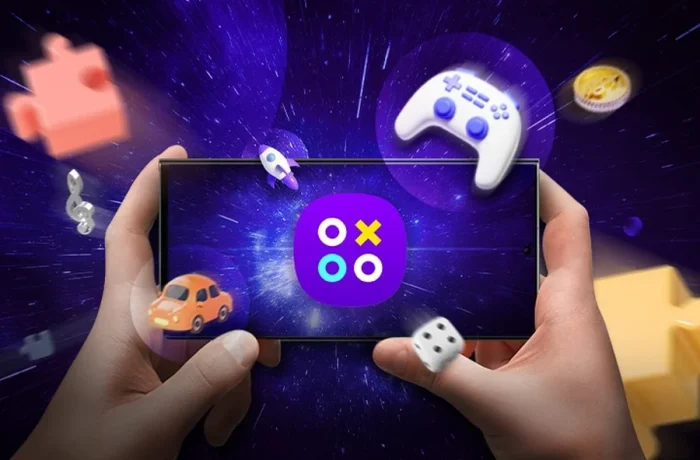
Gaming is shifting toward faster, lighter experiences. Phones are always nearby. Schedules are tighter. Entertainment competes with messages, errands, and short breaks that appear and disappear without warning. In that environment, games that start instantly and deliver feedback in seconds are winning attention.
Instant games are built for quick sessions. They focus on simple rules, rapid outcomes, and low effort to begin. Unlike traditional titles that require long tutorials, big downloads, or hour-long commitments, instant formats aim to be playable in the time it takes to wait for a coffee or ride an elevator. The “future” of gaming, in this sense, is not about sci-fi gear. It’s about how formats, platforms, and habits are changing in everyday life.
Why Instant Games Are Growing So Fast
Instant games fit how people actually use their screens now. Many players don’t want to “start a game night.” They want a short burst of fun between real-world tasks. The industry is responding with formats that are designed around micro-sessions, not marathon play.
Another growth driver is friction. Traditional gaming often comes with setup costs: storage space, updates, logins, learning curves, and time investment. Instant games reduce those barriers. The experience is closer to “tap and play” than “plan and commit.”
Discovery has also changed. Gaming used to be found through store shelves and big launches. Now it spreads through creators, short clips, and social feeds. When a game is simple to understand, it’s easier to share. When it’s easy to start, curiosity turns into participation faster.
The New Player Routine: Gaming as a Daily Micro-Reset
Design plays a big role here. Instant games tend to rely on comfort design: simple interfaces, predictable controls, and feedback that makes sense right away. That doesn’t mean the experience is shallow. It means the rules are clean enough that the brain can relax into them without extra effort.
For players who enjoy short, fast formats, options like crash-style or arcade-like titles can be explored through pages that group them in one place, and the phrase desi score often shows up in conversations about finding quick-play categories without digging through endless menus.
This routine is shaping expectations. If entertainment can’t get to the point quickly, many players move on. That pressure is pushing gaming toward clarity, speed, and smoother first impressions.
What Comes Next Beyond Instant Games
Instant games are not replacing traditional gaming. They’re creating a parallel lane that influences everything else. The next wave is likely to be hybrid formats that combine quick entry with optional depth.
One direction is “instant plus progression.” A game can be playable in seconds but still offer longer-term goals for those who want them. Another direction is cross-platform behavior. Mobile is often the entry point. Desktop or bigger screens become a second layer when time allows. Social discovery remains the glue that pulls people in, because recommendations now come from people and clips, not just ads.
Personalization will also keep growing. AI-driven recommendations can help players find formats they actually like instead of forcing them to browse endlessly. The best version of this is quiet and useful, not intrusive. Better matchmaking, smarter suggestions, and cleaner onboarding can improve the experience without turning gaming into a surveillance project.
Trust, Safety, and Responsible Play in Faster Gaming
Speed makes games more accessible. It also raises the importance of transparency. When outcomes happen quickly, players need clarity about rules, pacing, and what to expect. Confusion creates frustration, and frustration is where unhealthy habits can form.
Responsible play features are becoming part of modern design. Not as moral messaging, but as practical tools that protect the experience. Simple habits can do the same job on the player side:
- Decide the session length before starting and set a timer
- Treat spending like a hobby budget, not a “maybe it comes back” bet
- Take breaks after a streak of losses or wins to reset decision-making
- Avoid late-night sessions if sleep is already fragile
- Use account protections like strong passwords and basic privacy settings
Trust is also about platforms behaving responsibly. Clear rules, straightforward UX, and accessible support make quick gaming feel like entertainment, not a trap.
Make Gaming Fit Your Day
Making gaming fit your day starts with choosing the role it plays. Some days call for a five-minute reset that clears the head between errands. Other days leave space for something longer and more immersive. The mistake is letting the game decide the length for you. A simple rule helps: pick the time window first, then pick the game that matches it. Keep one “default” option for busy days, and one deeper favorite for weekends or evenings. When energy is low, lighter formats often feel better than anything competitive. When gaming aligns with the schedule, it stays fun instead of turning into another thing that steals time.