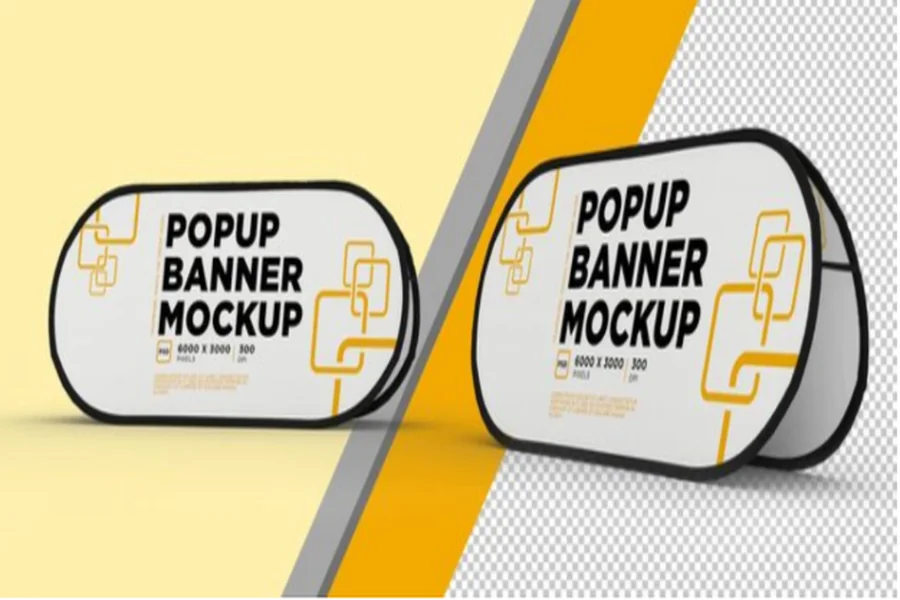
Pop-up banner advertising is a powerful tool for businesses looking to capture attention and increase visibility. Using a pop up banner allows companies to highlight products or services in a visually striking and temporary display, making it highly effective in both physical and digital spaces. At events, trade shows, or even on websites, they help businesses engage audiences immediately. Their portability and dynamic design make them a popular choice for marketers who want to make an impact without investing heavily in permanent displays. By leveraging pop-up banners strategically, companies can create strong brand impressions that encourage interaction and drive engagement.
Understanding Pop-Up Banner Advertising
Pop-up banner advertising involves using banners designed to appear prominently in an environment, whether online or at a physical venue. These banners are meant to capture attention quickly, delivering a concise and clear message about a product, service, or brand. They can be large or small, indoor or outdoor, and crafted from materials suitable for different conditions. Their versatility makes them adaptable to multiple marketing campaigns, ensuring businesses reach a variety of audiences effectively.
These banners stand out from other forms of advertising because they combine immediacy with flexibility. Unlike traditional posters or static signs, pop-up banners are easy to set up, move, and replace. They can be positioned in high-traffic areas where people are most likely to notice them, maximising exposure and potential engagement. The visual appeal of these banners allows brands to communicate their message in a way that is memorable, concise, and effective.
Pairing banner campaigns with branding from an AI logo generator can make advertising materials more visually consistent and recognizable.
The Importance of Advertising Strategies for Business Visibility
A banner alone is not enough to guarantee visibility; it must be part of a broader advertising strategy. Effective strategies help businesses identify where and how to place their banners to achieve maximum impact. By combining pop-up banners with other marketing efforts, such as social media campaigns, email outreach, or event marketing, companies can ensure their messages reach the right audience at the right time. Strategic placement and design allow businesses to differentiate themselves from competitors, highlight unique offerings, and create a strong brand presence.
Advertising strategies also influence how audiences perceive a brand. A well-placed and professionally designed banner communicates credibility and attention to detail. It reassures potential customers that the business values quality and professionalism, which can strengthen trust and increase engagement.
Benefits of Using Pop-Up Banner Advertising
One of the main advantages of pop-up banners is cost-effectiveness. They are affordable to produce, reusable, and lightweight, which allows businesses to deploy them across multiple events without significant expenses. This efficiency makes them an ideal marketing tool for small and medium-sized enterprises seeking high impact without large budgets.
Pop-up banners also provide immediate visibility. When placed strategically in high-traffic areas, they draw attention from potential customers quickly, ensuring the brand message is seen and remembered. Their mobility allows businesses to move them as needed, whether at different event spaces or retail locations, increasing the number of people reached and enhancing marketing ROI.
Another benefit is versatility. Pop-up banners can be customised for different campaigns, allowing businesses to communicate seasonal promotions, product launches, or special offers effectively. Their adaptability ensures they remain relevant across various marketing contexts, helping businesses maintain consistent brand visibility while addressing different audience needs.
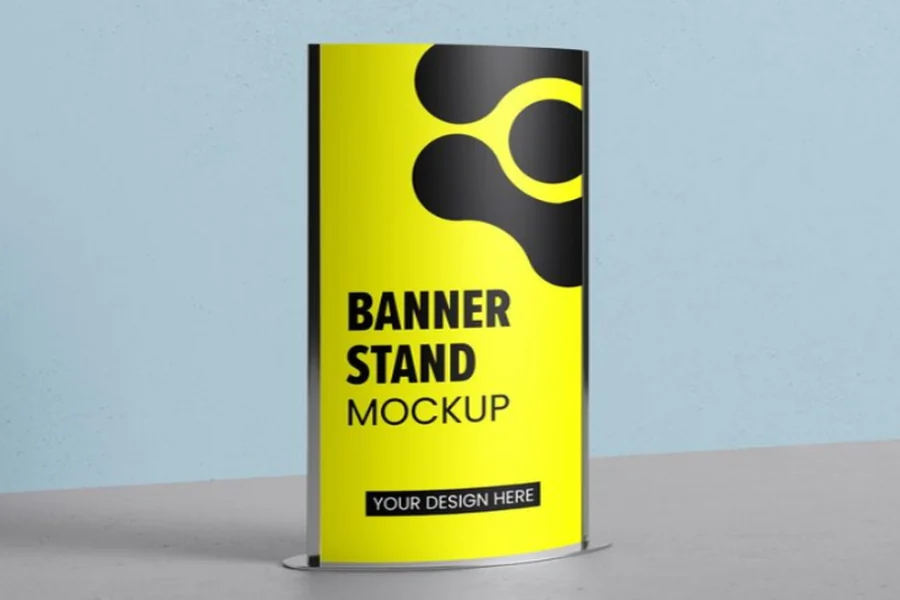
Strategies for Effective Pop-Up Banner Advertising
Design and content are critical for the success of a pop-up banner. Eye-catching visuals combined with clear, concise messaging ensure that the audience quickly understands the purpose of the banner. Colour schemes, fonts, and layout should be chosen to enhance readability and maintain a professional appearance. Effective banners balance visual appeal with functionality, ensuring that the message is both attractive and easy to grasp.
Placement is equally important. Banners should be positioned in areas where people naturally gather or pass by, such as entrances, reception areas, or high-traffic zones at events. Strategic placement increases the likelihood that the banner will be noticed and that the message will have an impact. Rotating banners periodically or updating content ensures continued interest and prevents audiences from becoming desensitised to the display.
Regular updates also maintain engagement. By refreshing visuals or messages, businesses can attract repeat attention and encourage viewers to interact with the brand. This approach keeps campaigns dynamic and helps prevent the audience from overlooking the banners due to familiarity.
Real-Life Success Stories and Lessons
Several businesses have successfully leveraged pop-up banners to enhance visibility and engagement. At trade shows and retail events, banners that were visually appealing and strategically placed resulted in higher audience interaction and increased interest in products or services. Successful campaigns demonstrate the importance of combining strong design, concise messaging, and smart placement to achieve the desired marketing outcomes.
Conversely, examining less successful campaigns offers valuable lessons. Poor design choices, unclear messaging, or inappropriate placement can reduce the effectiveness of a banner. Learning from these experiences helps marketers refine their strategies, ensuring that future campaigns are more targeted and impactful. Analysing successes and failures allows businesses to develop a more nuanced approach, creating banners that resonate with audiences and drive measurable results.
Maximising Impact with Pop-Up Banners
To maximise the effectiveness of pop-up banner advertising, businesses should integrate it into a broader marketing strategy. This includes aligning banners with digital campaigns, social media efforts, and other promotional activities. By creating a cohesive message across channels, brands can reinforce recognition and maintain consistent visibility, strengthening the overall marketing effort.
Investing in high-quality materials ensures longevity and professionalism. Durable banners withstand repeated use, and clear, high-resolution printing guarantees that the message remains sharp and visually appealing. Attention to detail in design and production reflects positively on the brand, fostering trust and credibility among audiences.
Conclusion
Pop-up banner advertising is an essential tool for businesses looking to enhance visibility. Its portability, cost-effectiveness, and adaptability make it suitable for a wide range of marketing campaigns. When combined with strategic planning, thoughtful design, and regular updates, pop-up banners can significantly increase brand recognition and engagement.
By experimenting with creative designs, optimal placement, and integrated marketing strategies, businesses can maximise the impact of their pop-up banners. Using this approach ensures that marketing messages reach the intended audience effectively, driving engagement, building brand awareness, and ultimately supporting growth and success in a competitive market.
Pop-Up Banner FAQs
A pop-up banner is a portable display designed for marketing purposes. It features printed graphics that unfold from a base, allowing businesses to present their message clearly and attractively. These banners are lightweight, easy to transport, and suitable for a range of environments, from events to retail spaces.
Pop-up banners are also known as retractable banners or roll-up displays. Their design allows for quick setup and removal, providing convenience and flexibility for marketers. They can be customised in size, graphics, and messaging to suit different campaigns and environments.
The typical size of a pop-up banner is approximately 33 inches wide by 79 inches tall, providing optimal visibility while remaining portable. With proper care and storage, these banners can last for several years, allowing businesses to reuse them across multiple events and campaigns without losing effectiveness.