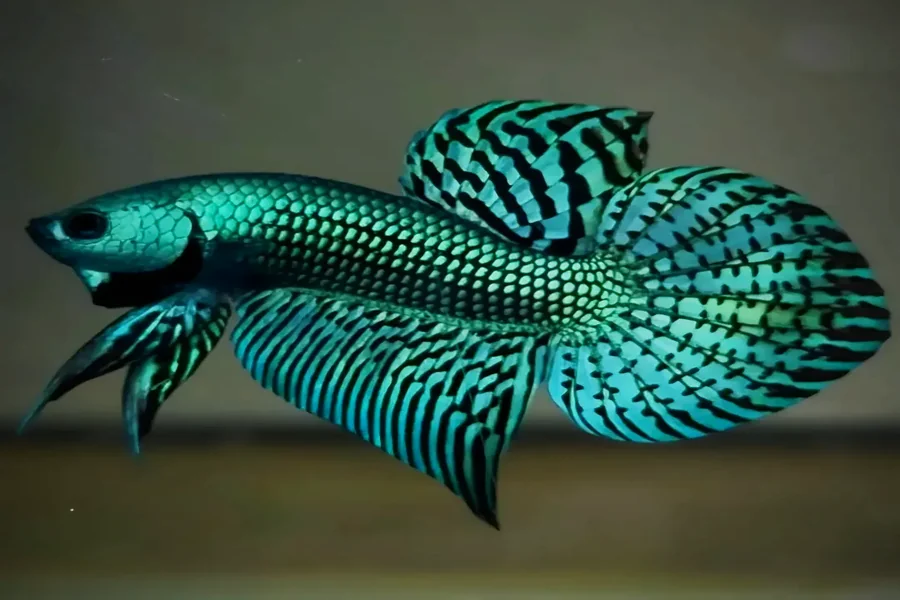
Betta fish are often associated with ornamental aquariums, yet their natural origins are much broader. In the wild, Bettas live in freshwater environments such as slow-moving rivers, streams, rice paddies, and forest pools. Their physical features, behavior, and survival strategies are shaped by these habitats rather than by human selection. Observing them reveals a remarkable balance between resilience, cautious behavior, and subtle beauty, showcasing Betta fish in wild.
Wild Bettas are generally smaller, with shorter fins and muted colors compared with domesticated varieties. These traits serve practical purposes, including protection from predators and efficient movement through dense vegetation or shallow waters. Studying them in the wild offers insights into the instincts and adaptations that aquarists rarely see in home aquariums.
Appearance of Wild Betta Fish
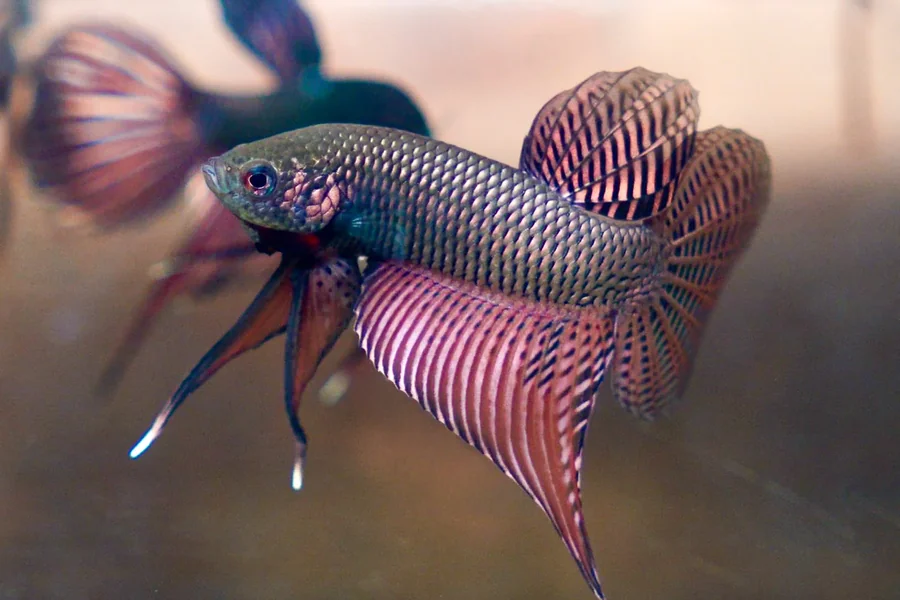
Streamlined bodies and compact fins characterize wild Betta fish. Colors are usually subdued, ranging from earthy browns and greens to soft reds and blues. In some species, males show subtle iridescent scales, which become visible in sunlight or clear water. Unlike ornamental Bettas, wild males do not display exaggerated fins for show.
The body shapes vary slightly between species. Some are elongated, suited for swimming quickly in flowing water, while others are rounder, allowing them to navigate cluttered or shallow environments. The pectoral fins tend to be well-developed to help the fish manoeuvre efficiently, but they remain proportional and practical rather than decorative.
Habitats and Living Conditions
Wild Betta fish inhabit a variety of freshwater environments. Slow-moving rivers, forest streams, and shallow pools provide cover and protection from predators. Many species thrive in blackwater streams where leaf litter and vegetation create shaded conditions with low light. Rice paddies and seasonal ponds are also home to wild Bettas, offering shallow waters where oxygen levels fluctuate, and shelter is abundant.
These environments require adaptability. Wild Bettas can tolerate changes in water level, temperature, and oxygen availability. Some species even survive periods of low water by resting near the substrate or hiding among plant roots. Their natural surroundings also shape territorial behavior, feeding habits, and breeding strategies.
Behavior in the Wild
Wild Bettas display behaviors that prioritize survival and efficiency. Territorial instincts are present, especially in males, but confrontations are typically brief and practical. Males defend small areas for feeding and breeding, rather than engaging in prolonged displays.
Feeding is opportunistic. Wild Bettas consume insects, larvae, small crustaceans, and other invertebrates, often foraging near the water’s surface or among vegetation. Their movement is deliberate and cautious, conserving energy while avoiding predators. Observing wild Bettas shows how their behavior balances survival with the need to attract mates.
Breeding Strategies
Breeding among wild Bettas involves nest building and careful protection of offspring. Most species construct bubble nests at the water’s surface, anchored to plants or debris. These nests allow eggs to remain safe in shallow or fluctuating water conditions.
Males guard the nests until the fry are capable of swimming independently. Courtship is generally subtle, involving posturing and fin movements rather than dramatic displays seen in ornamental strains. This approach reflects the practical requirements of survival in variable natural habitats.
Examples of Wild Betta Species
Several species of wild Betta fish illustrate the diversity of this group. Betta imbellis is known for its calm nature and dark, subtly iridescent coloring. Betta smaragdina displays a slender green or blue body with reflective scales. Betta mahachaiensis thrives in coastal freshwater with slightly brackish conditions, showing adaptability to varying water chemistry. Betta pugnax and Betta albimarginata demonstrate territoriality, bubble-nesting behavior, and unique fin markings suited to camouflage in dense vegetation.
Each species reflects a combination of environmental adaptation, natural colouring, and survival-focused behavior. Observing them highlights the differences between wild and domesticated Bettas.
Observing Wild Betta Fish
Studying Betta fish in their natural habitats reveals behaviors rarely seen in aquariums. Fish navigate dense plants, avoid predators, forage for food, and protect nests efficiently. Calm movement, compact fins, and muted colors are key adaptations that allow them to survive in shallow, crowded, or changing waters.
For aquarists interested in recreating aspects of the wild environment, careful planting, gentle water flow, and appropriate hiding spaces allow Bettas to display natural behaviour. Understanding wild habits enhances appreciation for both their natural resilience and the traits seen in captive-bred varieties.
Conclusion
Betta fish in the wild demonstrate a fascinating blend of resilience, subtle beauty, and adaptive behavior. Their compact bodies, muted colors, and cautious movements reflect the environments they inhabit, from forest streams to shallow rice paddies. Studying these fish provides insight into instincts that domestic varieties retain in part but often exaggerate through breeding. Observing wild Bettas fosters a deeper understanding of their natural behavior, survival strategies, and diversity, highlighting the remarkable complexity of this freshwater fish group.