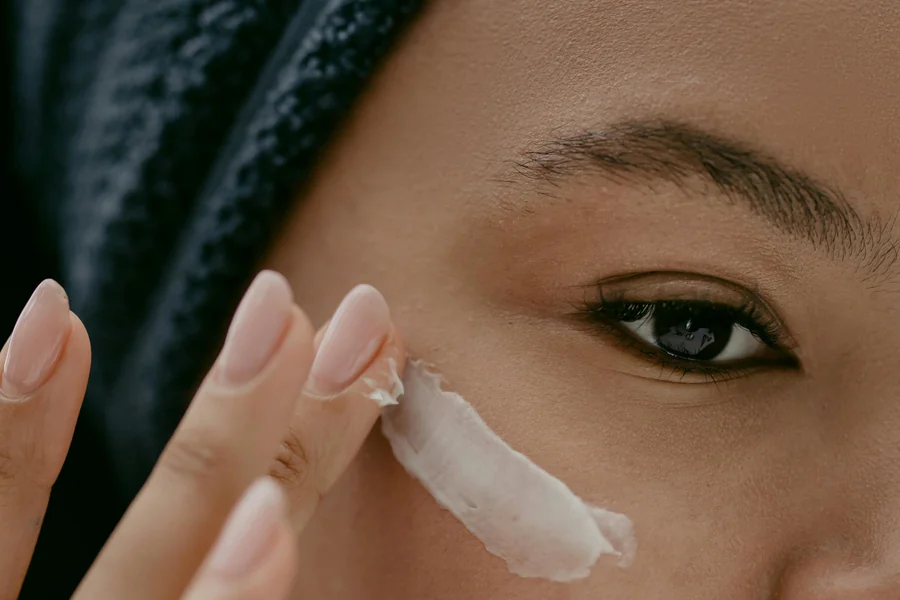
Have you noticed how people in California talk about skin care the way they once talked about exercise or diet? From beach towns to busy cities, protecting skin from sun and pollution has become part of everyday conversation. Many people now see skin care as a health habit rather than a beauty routine. In this blog, we will share why preventive skin care is growing in importance and how people are approaching it in practical ways.
Professional Skin Care Is Becoming More Common
As preventive skin care gains attention, more people explore professional treatments that support long term skin health. These services often focus on maintaining healthy skin rather than correcting major problems after they appear.
Many individuals visit clinics or treatment centers for services such as gentle exfoliation, hydration therapies, or evaluations of skin conditions that may develop over time. Early attention helps address issues before they become more difficult to manage.
Interest in these services has grown alongside broader wellness trends. In recent years, people have become more comfortable seeking expert guidance for everyday health practices. Nutrition counseling, fitness coaching, and preventive medical screenings have all gained popularity. Skin care follows a similar path.
For example, someone interested in maintaining healthy skin might choose to visit a med spa in Chino to receive professional assessments and treatments that support preventive care. Such facilities often combine clinical expertise with advanced skin treatments designed to promote healthier skin over time.
What makes preventive treatments valuable is their focus on maintenance rather than correction. Instead of waiting until visible damage appears, individuals take steps that support the skin’s natural balance.
Dermatology professionals often emphasize this approach because it helps reduce long term complications. Skin that receives regular care tends to recover more effectively from environmental stress and aging.
Daily Habits Have a Long Term Impact
Preventive skin care works best when it becomes part of daily life rather than an occasional activity. Small habits practiced consistently can protect the skin from gradual damage that often goes unnoticed at first.
Sun protection remains one of the most important practices. Ultraviolet radiation contributes to premature aging and increases the risk of serious skin conditions. Dermatologists commonly recommend applying sunscreen with appropriate protection every morning, even during cloudy weather.
Hydration also plays a crucial role. Skin loses moisture throughout the day, particularly in dry climates or air conditioned environments. Moisturizing products help maintain the skin’s barrier function and prevent irritation.
Cleansing routines deserve attention as well. Dirt, oil, and environmental pollutants accumulate on the skin during daily activities. Gentle cleansing removes these elements without stripping away natural oils that protect the skin.
Diet and sleep influence skin health more than many people realize. Balanced nutrition provides vitamins and antioxidants that support cellular repair. Adequate sleep allows the body to recover from daily stress, which benefits both internal health and visible skin condition.
Consistency matters more than expensive products. A simple routine performed regularly often produces better results than occasional intensive treatments.
Technology Is Changing Skin Care Awareness
Modern technology has also shaped how people approach preventive skin care. Online platforms provide easy access to dermatology information, treatment options, and educational resources.
Consumers now research ingredients, product formulations, and treatment methods before making decisions. While the internet sometimes spreads misinformation, it has also increased public awareness about skin health.
Mobile applications and digital tools offer additional support. Some platforms analyze skin conditions through photographs, while others remind users to apply sunscreen or follow care routines.
This technological influence reflects a broader shift in health awareness. People increasingly monitor aspects of their well being through digital tools, from fitness trackers to sleep monitoring devices.
Skin care joins this movement toward self awareness and preventive action.
The Psychology Behind Preventive Care
Another reason preventive skin care has gained popularity involves psychology. Taking care of the skin can improve confidence and emotional well being.
When people feel comfortable with their appearance, they often experience greater confidence in social and professional settings. This connection between physical care and mental health has become a frequent topic in wellness discussions.
Preventive routines also create moments of personal care within busy schedules. Washing the face, applying moisturizer, or using protective products may seem simple, yet these habits encourage mindfulness and relaxation.
Many individuals view these routines as small acts of self respect. Instead of rushing through daily life without pause, they dedicate time to maintaining their health and comfort.
The concept aligns with larger wellness trends that emphasize balance and personal care.
Preventive Care Helps Reduce Future Problems
One of the strongest arguments for preventive skin care lies in its long term benefits. Addressing skin health early can reduce the likelihood of serious problems later.
Sun damage provides a clear example. Years of unprotected exposure can lead to visible aging and medical concerns. Consistent protection significantly lowers these risks.
Similarly, managing minor skin irritation promptly prevents chronic conditions from developing. Dermatology professionals often encourage early consultation when persistent redness, dryness, or unusual changes appear.
Regular skin examinations also help identify potential issues early. Many health organizations recommend periodic checks for unusual spots or changes in skin appearance.
Preventive action rarely eliminates every problem, yet it greatly improves the chances of maintaining healthy skin over time.
A Cultural Shift Toward Health Conscious Living
Preventive skin care reflects a broader cultural movement toward proactive health practices. People now pay closer attention to nutrition, exercise, mental health, and environmental exposure.
Skin health naturally fits within this larger framework. The skin responds directly to lifestyle choices, making it a visible indicator of overall well being.
Public awareness campaigns, medical research, and digital communication continue to encourage healthier habits. As this awareness grows, preventive skin care will likely remain an important part of everyday health routines.
Individuals who understand the value of early care often discover that small daily habits make a significant difference. Maintaining healthy skin requires patience and consistency, yet the results support both physical health and personal confidence for years to come.