
In today’s fast-paced industrial landscape, performance, efficiency, and reliability are essential drivers of competitiveness. Industries rely heavily on seamless data management to streamline operations, optimize resources, and support innovation. Traditional hard drives, though once standard, struggle to meet the demands of modern, data-intensive environments. High-speed SATA SSD solutions have emerged as a transformative technology, providing superior speed, durability, and operational efficiency that empower businesses to maintain peak productivity.
Understanding High-Speed SATA SSD
A High-Speed SATA SSD (Solid State Drive) is a storage device that employs the Serial ATA interface, offering rapid data access and significantly improved performance over conventional hard drives. Unlike HDDs, which rely on spinning disks, SATA SSDs use NAND flash memory, eliminating mechanical delays. This design not only ensures faster read/write speeds but also enhances reliability and energy efficiency, making these devices ideal for industrial applications that demand consistent, high-speed storage.
The operation of a SATA SSD is streamlined and robust. Data is stored electronically, allowing near-instant access and reducing latency across workloads. This capability translates into faster system boot times, rapid file retrieval, and improved multitasking efficiency, directly impacting operational productivity.
Advantages of High-Speed SATA SSD
The adoption of high-speed SATA SSDs delivers tangible benefits across industrial operations:
Enhanced Performance: Accelerated data access reduces processing delays, allowing for real-time decision-making and streamlined workflows.
Greater Reliability: With no moving parts, SATA SSDs minimize the risk of mechanical failure, maintaining consistent performance under demanding industrial conditions.
Improved Energy Efficiency: Reduced power consumption lowers operational costs and supports sustainable energy practices.
Extended Lifespan: Designed for durability, these drives sustain high performance over time, reducing maintenance and replacement expenses.
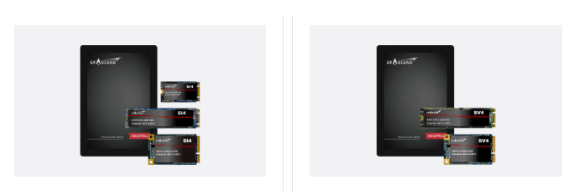
How High-Speed SATA SSD Elevates Industrial Operations
Integrating SATA SSDs into industrial systems transforms operational efficiency. Faster data processing accelerates information analysis and decision-making. Increased storage capacity allows organizations to manage large volumes of data seamlessly, improving organization, retrieval, and utilization. Real-time processing capabilities enable businesses to respond immediately to operational demands, enhancing flexibility and fostering innovation.
The impact on overall system performance is substantial. Optimized workflows, faster output, and improved reliability collectively boost productivity, ensuring that industrial processes operate at maximum efficiency.
For organizations seeking reliable, high-performance storage solutions, https://exascend.com/product-lineup/sata-ssd/ offers a comprehensive range of options. These solutions demonstrate the potential to enhance speed, reliability, and operational efficiency, supporting industries in meeting the demands of modern data management.
Applications Across Industries
High-speed SATA SSDs are utilized across diverse industrial sectors:
Computer-Aided Design (CAD): Engineers and designers benefit from rapid file access and reduced rendering times, enhancing accuracy and accelerating project timelines.
Manufacturing Execution Systems (MES): Industrial operations rely on real-time monitoring and workflow management. SATA SSDs improve data transfer speeds, ensuring seamless communication between machines and personnel.
Industrial Automation: Automated production systems require fast, reliable storage to execute processes efficiently, minimize errors, and maintain continuous production output.
Across these applications, SATA SSDs enable high-performance computing, supporting industries that demand precision, speed, and reliability.
Selecting the Right SATA SSD
Choosing an appropriate high-speed SATA SSD requires evaluating factors such as storage capacity, endurance, energy efficiency, and compatibility with existing systems. Additionally, industry-specific needs including compliance requirements, workload demands, and operational constraints must guide decision-making.
Successful case studies reveal measurable improvements following the implementation of SATA SSD technology. Comparative analyses of pre- and post-adoption performance indicate faster data rates, reduced latency, and increased system responsiveness. Industry leaders report enhanced productivity, lower operational costs, and improved overall efficiency, highlighting the transformative potential of high-speed SATA SSDs in industrial environments.
Conclusion
High-speed SATA SSDs represent a pivotal advancement in industrial storage technology. They deliver rapid data access, increased reliability, and energy-efficient operation, enabling businesses to handle large datasets and process information in real time.
Adopting these solutions is a strategic move toward operational excellence. By integrating high-speed SATA SSDs, organizations can achieve optimized workflows, faster decision-making, and sustained competitiveness. For enterprises looking to elevate industrial performance, exploring the High-Speed SATA SSD product lineup offers a range of reliable, high-performance storage options designed for diverse industrial applications. Embracing this technology ensures long-term growth, resilience, and efficiency in a rapidly evolving industrial landscape.
