A lifesaving course in swimming provides structured instruction for individuals who want to develop essential water safety and rescue skills. It prepares participants to prevent accidents, respond to emergencies, and assist others in aquatic environments. The course is suitable for swimmers, instructors, and individuals aiming to improve their awareness and ability to handle water-related incidents.
Training usually begins with an evaluation of basic swimming ability. Participants are expected to demonstrate competence in standard strokes, floating, and endurance swimming. These foundational skills ensure that individuals can remain calm and effective in the water. A strong swimming background allows participants to focus on rescue techniques without putting themselves at risk.
After establishing these fundamentals, the course introduces risk awareness and prevention. Participants learn to identify hazards such as deep water, slippery surfaces, or crowded swimming areas. They are trained to observe behaviour, recognise early signs of distress, and act before a situation becomes critical. Prevention is emphasised throughout the course, as reducing risks is the most effective way to improve safety in aquatic settings.
Rescue skills form the core of the training. Participants are taught methods that prioritise safety for both the rescuer and the victim. These include reaching assists, throwing aids, and non-contact rescues. When direct contact is necessary, trainees learn controlled approaches, towing techniques, and methods for handling panicked individuals. The course also covers how to manage different types of emergencies, including multiple victims and challenging water conditions.
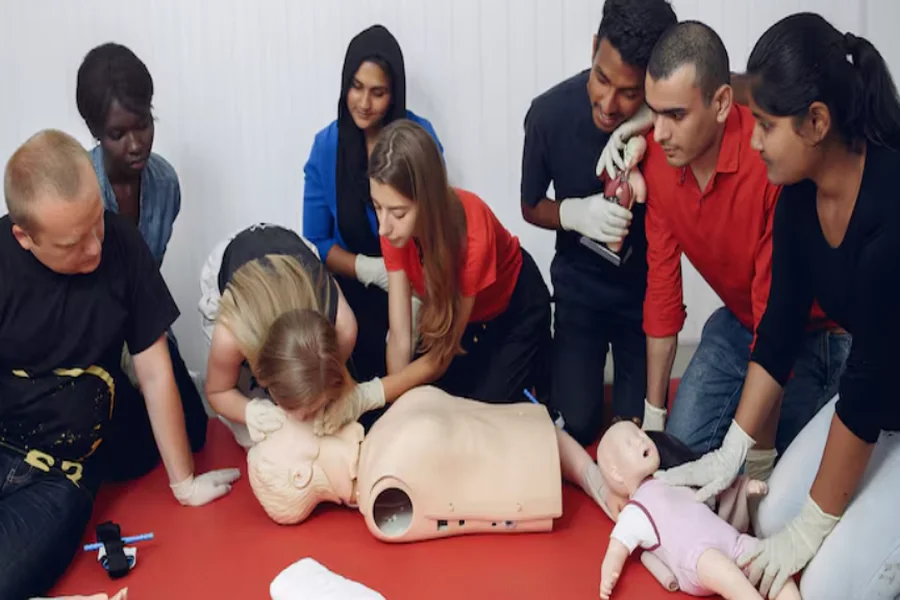
First aid and resuscitation are essential components of a lifesaving course. Participants are trained in cardiopulmonary resuscitation (CPR), basic first aid, and emergency response procedures. These skills allow them to provide immediate assistance while waiting for professional medical help. Knowing how to respond quickly and correctly can significantly improve outcomes in emergency situations.
Communication and coordination are also important aspects of the training. Participants learn how to give clear instructions, manage bystanders, and work with others during emergencies. In many cases, effective teamwork ensures that rescue efforts are carried out efficiently. The course highlights the importance of staying calm, organized, and focused when responding to incidents.
At the midpoint of the training, participants may choose to continue with advanced instruction. Those who want to take on leadership roles or become instructors can explore further certification through https://swimwerks.com.sg/lifesaving-instructor-course/, which provides more in-depth knowledge and teaching skills. This stage allows individuals to move beyond basic rescue techniques and take on greater responsibility in promoting water safety.
Physical fitness is an important requirement in lifesaving training. Rescues can be physically demanding, requiring strength, endurance, and quick reactions. Courses often include exercises that improve stamina and overall performance in the water. Maintaining physical readiness ensures that participants can perform rescues effectively without becoming exhausted.
The course also develops a sense of responsibility and awareness. Participants are trained to remain alert and make decisions quickly. They learn to follow safety procedures and maintain consistent observation in aquatic environments. This mindset helps reduce risks and supports a safer environment for everyone.
Completing a lifesaving course offers several benefits. It provides practical skills that can be applied in both professional and everyday situations. For those working in aquatic facilities, certification can improve employment opportunities and demonstrate competence. For others, the course builds confidence and prepares them to respond in emergencies.
Lifesaving training also contributes to public safety. By increasing the number of individuals who can respond to water-related incidents, communities become safer. Trained participants can help prevent accidents, assist in emergencies, and promote responsible behaviour around water. This has a positive impact on reducing drowning incidents and improving overall safety awareness.
Conclusion
A lifesaving course in swimming equips individuals with the skills needed to prevent and respond to aquatic emergencies. It combines swimming ability, rescue techniques, first aid, and communication into a practical training program. By focusing on both prevention and response, the course prepares participants to act effectively in critical situations. Whether for personal development or professional use, lifesaving training plays an important role in promoting safety and protecting lives.